
'%20fill='%23fff'/%3e%3c/clipPath%3e%3c/defs%3e%3cg%20id='logo_s'%20transform='translate(3331%2011131)'%20clip-path='url(%23clip-path)'%3e%3ccircle%20id='椭圆_3510'%20data-name='椭圆%203510'%20cx='15'%20cy='15'%20r='15'%20transform='translate(-3330%20-11130)'%20fill='%23ffffff'%20opacity='0'/%3e%3cpath%20id='联合_790'%20data-name='联合%20790'%20d='M17,22.938H3.615a3.694,3.694,0,0,1-2.759-.895A3.625,3.625,0,0,1,0,19.454V3.489C.031,1.194,1.2.087,3.689.005H13.43L13.492,0V3.98a3,3,0,0,0,3,3h4.193V19.454c-.025,1.589-.662,3.485-3.554,3.485ZM5.8,16.588a.88.88,0,0,0,.879.879H14.1a.879.879,0,0,0,0-1.759H6.681A.88.88,0,0,0,5.8,16.588Zm0-3.836a.88.88,0,0,0,.879.879H14.1a.88.88,0,0,0,0-1.759H6.681A.881.881,0,0,0,5.8,12.752Zm0-3.837a.88.88,0,0,0,.879.879h4.783a.879.879,0,1,0,0-1.759H6.681A.88.88,0,0,0,5.8,8.915ZM17.031,5.5a2,2,0,0,1-2-2V.365a1.9,1.9,0,0,1,.3.235c.564.547,2.329,2.146,3.5,3.2l.068.061.886.8a2.8,2.8,0,0,1,.636.834Z'%20transform='translate(-3325.342%20-11126.47)'%20fill='%23ffffff'/%3e%3c/g%3e%3c/svg%3e)


 The 2026 Digital Marketing Landscape: What Has Changed
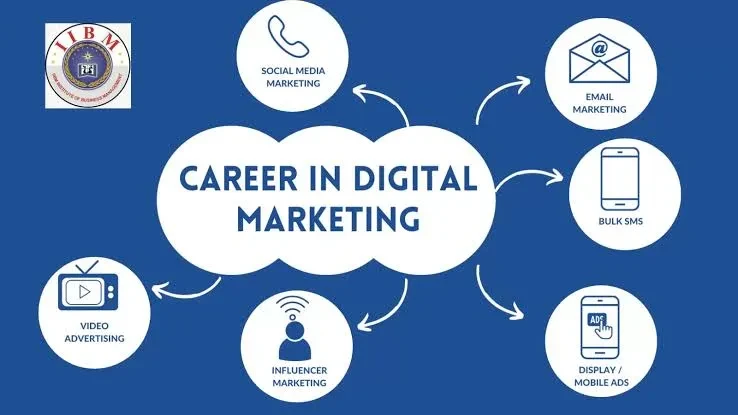 The 2026 Digital Marketing Landscape: What Has Changed
Several forces have reshaped the field over the past few years:
AI is embedded in everything. From copywriting assistants to predictive analytics, AI tools are now part of daily workflows. Marketers are expected to prompt, edit, and supervise AI—not fear it. Privacy-first marketing is the norm. Third-party cookies are fading, and regulations like GDPR and CCPA have made first-party data a strategic asset. Short-form video dominates attention. TikTok, Instagram Reels, and YouTube Shorts have changed how brands tell stories and convert viewers. Search is becoming conversational. AI overviews and voice search mean fewer clicks and more zero-click answers. Visibility now depends on being cited, not just ranked. The creator economy is a real channel. Influencers, affiliates, and user-generated content often outperform brand-produced ads. Measurement is harder—and more important. Proving ROI requires clean data, incrementality testing, and a willingness to question vanity metrics.
In this environment, digital marketing careers are becoming more specialized, more analytical, and more strategic. Generalists still exist, but they succeed by combining broad awareness with deep expertise in at least one area.
Career Paths and Specializations
Digital marketing offers many entry points. The right one depends on whether you enjoy writing, analyzing, designing, building, or leading.
| Role | What You Do | Common Tools | Entry Path |
|---|---|---|---|
| SEO Specialist | Improve organic search visibility through technical audits, keyword research, content optimization, and link building. | Google Search Console, Ahrefs, Semrush, Screaming Frog | Blogging, certifications, junior SEO role |
| Content Marketer | Plan and create articles, videos, podcasts, and guides that attract and retain an audience. | WordPress, Canva, ChatGPT, analytics tools | Writing samples, personal blog, internship |
| Social Media Manager | Manage brand presence, engage communities, run campaigns, and analyze performance. | Meta Business Suite, TikTok, Hootsuite, Sprout Social | Managing a small brand or personal account |
| PPC / Paid Media Specialist | Manage paid campaigns on Google, Meta, LinkedIn, and other platforms. | Google Ads, Meta Ads Manager, LinkedIn Campaign Manager | Google Ads certification, junior media buyer role |
| Email Marketing Specialist | Build and automate email campaigns, segment lists, and optimize for conversions. | Mailchimp, Klaviyo, HubSpot, ActiveCampaign | Internship, freelance projects, certification |
| Digital Analyst | Collect and interpret data, build dashboards, and provide actionable insights. | Google Analytics 4, Looker Studio, SQL, Excel | Analytics certification, junior analyst role |
| Marketing Automation Specialist | Design workflows that nurture leads and personalize journeys at scale. | HubSpot, Marketo, Salesforce Pardot | CRM experience, automation certification |
| Conversion Rate Optimizer (CRO) | Test and improve website elements to increase conversions. | Google Optimize, VWO, Hotjar, A/B testing tools | UX or web experience, analytics background |
| CRM / Lifecycle Marketer | Manage customer relationships and retention campaigns across channels. | Salesforce, Braze, Iterable | Email or CRM experience |
| Influencer / Creator Partnerships Manager | Identify, negotiate, and manage relationships with creators. | TikTok Creator Marketplace, GRIN, Aspire | Social media or PR background |
| E-commerce Marketer | Drive online sales through product pages, ads, email, and marketplace optimization. | Shopify, Amazon Seller Central, Klaviyo | Retail or e-commerce experience |
| Product Marketing Manager | Position products, craft messaging, and enable sales teams. | Competitive research tools, presentation software | Content or product experience |
Many people start in a generalist role—coordinator, assistant, or intern—then specialize as they discover what they enjoy and where they perform best.
Skills That Matter in 2026
Technical skills get you interviews. Soft skills keep you employed and promoted. The most valuable marketers combine both.
Technical Skills
Data literacy: Reading dashboards, interpreting trends, and making decisions based on evidence. SEO fundamentals: Technical SEO, on-page optimization, and authority building. Paid media: Campaign setup, audience targeting, bidding, and budget management. Content creation: Writing, editing, basic design, and video production. Email and automation: List segmentation, drip campaigns, and personalization. AI tool proficiency: Prompt engineering, output editing, and workflow integration. Analytics platforms: Google Analytics 4, social insights, and CRM reporting. Basic coding: HTML, CSS, and sometimes SQL or Python for data tasks.
Soft Skills
Communication: Explaining complex ideas to non-marketers. Curiosity: Asking why something worked—or didn’t. Adaptability: Learning new tools without waiting for formal training. Business acumen: Understanding revenue, margins, and customer lifetime value. Project management: Juggling deadlines, stakeholders, and budgets. Creativity: Generating ideas that cut through noise. Collaboration: Working with designers, developers, sales, and product teams.
The T-shaped model remains useful: deep expertise in one area, broad understanding of many.
Job Outlook and Salary Expectations
Demand for digital marketing talent remains strong. Businesses across every sector need people who can attract attention, convert customers, and retain them profitably. The U.S. Bureau of Labor Statistics projects continued growth for marketing and advertising managers, with digital-first roles leading the way.
Salary ranges vary widely by role, experience, location, and industry.
| Level | Typical Roles | Approximate U.S. Salary Range |
|---|---|---|
| Entry-level | Coordinator, Assistant, Intern | $45,000 – $60,000 |
| Mid-level | Specialist, Strategist, Analyst | $65,000 – $90,000 |
| Senior | Manager, Lead, Senior Specialist | $90,000 – $130,000 |
| Leadership | Director, Head of Digital, VP | $130,000 – $200,000+ |
Factors that influence pay: Specialization: Analytics, marketing automation, and paid media often pay more. Location: Major metro areas and tech hubs pay higher, but cost of living matters. Industry: Tech, finance, and healthcare tend to pay more than nonprofits or education. Company size: Larger companies often offer higher base pay and better benefits. Portfolio and results: Proven performance is the strongest negotiating tool.
Education and Certifications: What Is Worth Your Time?
You do not need a master’s degree to succeed in digital marketing. But you do need proof that you can do the work.
Degrees: Bachelor’s in marketing, communications, business, or a related field provides a foundation. Master’s degrees can help for leadership roles, but experience often matters more.
Certifications: Google Skillshop: Free certifications for Google Ads, Analytics, and more. Meta Blueprint: Free courses and certifications for Facebook and Instagram advertising. HubSpot Academy: Free certifications in inbound marketing, content, email, and sales. Semrush Academy: Free courses on SEO, content, and competitive research. Coursera / edX: University-backed specializations and professional certificates. LinkedIn Learning: Broad library of courses taught by practitioners. Bootcamps: Intensive, hands-on programs with career support, but often expensive.
How to choose: Look for practical assignments, real tools, and instructors who currently work in the field. A certificate is only valuable if you can apply what you learned.
Building a Portfolio That Gets Interviews
A resume lists your skills. A portfolio proves them.
What to include: Case studies: Problem, strategy, execution, results. Use metrics—traffic, leads, conversions, revenue. Personal projects: A blog, newsletter, YouTube channel, or social account you grew. Freelance or volunteer work: Manage social media for a local business or run ads for a nonprofit. Certifications: Links to verified credentials. Writing or design samples: Articles, landing pages, ad copy, graphics, videos. Tool proficiency: Screenshots or descriptions of dashboards you built.
Where to host it: A simple personal website (WordPress, Squarespace, or Carrd) and a polished LinkedIn profile. Keep it updated as you grow.
Networking and Professional Development
The digital marketing community is generous with knowledge. Use it.
Online communities: LinkedIn groups, Reddit (r/marketing, r/SEO, r/PPC), Discord servers, Slack communities. Industry events: Conferences, meetups, webinars. Many are free or low-cost. Mentorship: Find someone whose career you admire and ask for advice. Informational interviews: Talk to people in roles you want. Ask about their path, challenges, and what they wish they knew. Continuous learning: Follow industry blogs, listen to podcasts, experiment with new tools.
Networking is not about collecting contacts. It is about building relationships that lead to opportunities, insights, and support.
Future Trends Shaping Careers
The marketers who thrive in 2027 and beyond will be those who prepare for these shifts:
AI co-pilots: AI will handle routine tasks, freeing marketers for strategy and creativity. Privacy-first personalization: First-party data and zero-party data will drive targeting. Retail media networks: Amazon, Walmart, and others are becoming major ad platforms. Short-form video everywhere: Every platform is prioritizing video. Learn to shoot, edit, and optimize. Voice and visual search: Optimize for how people speak and what they show, not just type. Immersive experiences: AR and VR will create new brand engagement opportunities. Ethical and sustainable marketing: Consumers reward brands that align with their values. Measurement reinvention: Incrementality testing, marketing mix modeling, and clean rooms will replace cookie-based tracking.
A 12-Month Strategic Plan for Your Career
Months 1–3: Assess and Choose Identify your interests: creative, analytical, technical, or strategic. Pick one specialization to focus on first. Complete a foundational certification (Google Analytics, Google Ads, HubSpot).
Months 4–6: Learn by Doing Build a personal website or blog. Run a small ad campaign with a tiny budget. Start a freelance project or volunteer for a local business.
Months 7–9: Build Your Portfolio Document your results as case studies. Update your LinkedIn profile and resume. Ask for testimonials or recommendations.
Months 10–12: Network and Apply Attend two industry events or webinars. Reach out to five professionals for informational interviews. Apply for roles that match your new skills and portfolio.
Ongoing: Iterate Review your progress every quarter. Learn one new tool or platform every month. Adjust your goals as the industry evolves.
Common Mistakes to Avoid
Chasing every trend: Focus on fundamentals and one or two emerging areas. No niche: Generalists are useful, but specialists get hired faster. Ignoring data: Marketing without measurement is guessing. Neglecting soft skills: Communication and collaboration are non-negotiable. Waiting until you’re “ready”: Apply before you feel perfect. Learn on the job. Not networking: Many opportunities come through people, not job boards. Giving up too soon: The first job is the hardest. Persistence pays off.
Final Thoughts
A digital marketing career in 2026 is full of opportunity—but it rewards intentionality. Choose a direction, build real skills, prove your value with a portfolio, and keep learning. The tools will change, the platforms will shift, and the algorithms will update. What remains constant is the need for people who can understand an audience, create meaningful content, analyze what works, and adapt quickly.
Whether you are just starting out or looking to level up, the path is clear: learn, do, show, connect, repeat. Your career is not a destination. It is a practice. Start today, stay curious, and build something that lasts.


