
'%20fill='%23fff'/%3e%3c/clipPath%3e%3c/defs%3e%3cg%20id='logo_s'%20transform='translate(3331%2011131)'%20clip-path='url(%23clip-path)'%3e%3ccircle%20id='椭圆_3510'%20data-name='椭圆%203510'%20cx='15'%20cy='15'%20r='15'%20transform='translate(-3330%20-11130)'%20fill='%23ffffff'%20opacity='0'/%3e%3cpath%20id='联合_790'%20data-name='联合%20790'%20d='M17,22.938H3.615a3.694,3.694,0,0,1-2.759-.895A3.625,3.625,0,0,1,0,19.454V3.489C.031,1.194,1.2.087,3.689.005H13.43L13.492,0V3.98a3,3,0,0,0,3,3h4.193V19.454c-.025,1.589-.662,3.485-3.554,3.485ZM5.8,16.588a.88.88,0,0,0,.879.879H14.1a.879.879,0,0,0,0-1.759H6.681A.88.88,0,0,0,5.8,16.588Zm0-3.836a.88.88,0,0,0,.879.879H14.1a.88.88,0,0,0,0-1.759H6.681A.881.881,0,0,0,5.8,12.752Zm0-3.837a.88.88,0,0,0,.879.879h4.783a.879.879,0,1,0,0-1.759H6.681A.88.88,0,0,0,5.8,8.915ZM17.031,5.5a2,2,0,0,1-2-2V.365a1.9,1.9,0,0,1,.3.235c.564.547,2.329,2.146,3.5,3.2l.068.061.886.8a2.8,2.8,0,0,1,.636.834Z'%20transform='translate(-3325.342%20-11126.47)'%20fill='%23ffffff'/%3e%3c/g%3e%3c/svg%3e)


 What Are Medicare Meal Delivery Programs?
 What Are Medicare Meal Delivery Programs?
Medicare meal delivery programs are services that provide ready-to-eat or easy-to-prepare meals to seniors in their homes. They are designed to support good nutrition, manage chronic conditions, and promote independent living.
It is important to clarify: Original Medicare (Part A and Part B) does not cover meal delivery as a standard benefit. However, there are exceptions:
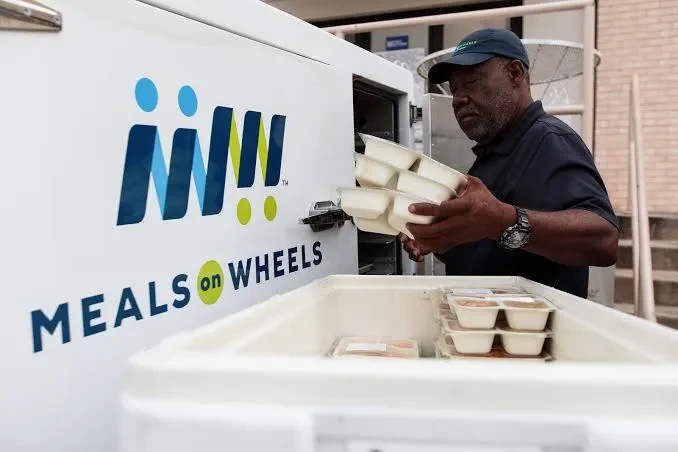
Post-hospital recovery: If you are recovering from a hospital stay, Medicare may cover a limited number of home-delivered meals for a short period (typically up to two weeks) if your doctor orders them as part of a home health care plan. Medicare Advantage plans: Many Medicare Advantage (Part C) plans include meal delivery as a supplemental benefit. These plans may offer ongoing meal delivery for members with certain health conditions or as part of a chronic care program. Other programs: The Older Americans Act Nutrition Program (Meals on Wheels) provides free or low-cost meals to seniors, though it is not a Medicare program.
When people refer to "Medicare meal delivery," they are usually talking about the benefit offered through Medicare Advantage plans or other senior nutrition programs.
Who Qualifies?
Eligibility varies by program and plan. Common criteria include:
Age 60 or older for many community programs; Medicare Advantage members are typically 65+ or qualify through disability. Health conditions such as diabetes, heart disease, kidney disease, or recent hospitalization. Difficulty shopping or cooking due to physical or cognitive limitations. Low income for some subsidized programs. Residency in a specific service area.
For Medicare Advantage meal benefits, check your plan’s summary of benefits. Some plans offer meals after a hospital stay, while others provide ongoing delivery for members with chronic conditions.
How It Works
The process is straightforward:
- Eligibility check: Confirm you qualify through your Medicare Advantage plan, a community program, or a post-discharge order.
- Choose a provider: Plans often contract with specific meal delivery companies. You may be able to select from a list.
- Select meals: Menus are designed by dietitians and may include options for low-sodium, diabetic-friendly, gluten-free, vegetarian, and other dietary needs.
- Schedule delivery: Meals are delivered weekly, biweekly, or as needed. Some programs deliver fresh meals; others provide frozen or shelf-stable options.
- Receive and store: Meals arrive at your door. Follow storage instructions—refrigerate or freeze as needed.
- Heat and enjoy: Most meals are ready in minutes, either in the microwave or oven.
Benefits of Home-Delivered Meals
1. Improved Nutrition
Meals are balanced and portion-controlled, helping seniors meet their daily nutritional needs. This is especially important for managing chronic conditions like diabetes, hypertension, and heart disease.
2. Convenience and Safety
No grocery shopping, no cooking, no cleanup. This reduces the risk of kitchen accidents, such as burns or falls, and eliminates the physical strain of meal preparation.
3. Independence
Seniors can remain in their own homes longer when they have reliable access to healthy meals. This preserves autonomy and reduces the need for assisted living or nursing home care.
4. Peace of Mind
Family members and caregivers worry less when they know their loved one is eating well. Regular deliveries also provide a wellness check—if a senior doesn’t answer the door, the driver can alert someone.
5. Social Connection
For some seniors, the delivery person may be the only person they see that day. A brief interaction can brighten their mood and reduce feelings of isolation.
6. Cost Savings
While there may be a cost, meal delivery can reduce grocery bills, food waste, and the need for expensive prepared foods. It may also lower healthcare costs by improving nutrition and preventing malnutrition-related hospitalizations.
Customization and Dietary Options
One of the strengths of modern meal delivery programs is personalization. Options often include:
Low-sodium – for hypertension and heart failure Diabetic-friendly – controlled carbohydrates and sugars Renal – for kidney disease Gluten-free Vegetarian or vegan Soft or pureed – for swallowing difficulties Low-fat or heart-healthy Cultural and regional favorites
Menus rotate regularly to prevent boredom. Some programs allow you to choose your own meals; others provide a set menu based on your dietary needs.
Cost and Coverage
Costs vary widely:
Medicare Advantage plans: Some offer meal delivery at no extra cost; others charge a copay or a monthly fee. Check your plan’s evidence of coverage. Post-hospital meals: If covered by Original Medicare, you typically pay nothing for the meals, but you may have other home health costs. Community programs (Meals on Wheels): Often free or by donation for eligible seniors, though waitlists may exist. Private meal delivery: Ranges from $5 to $12 per meal, plus delivery fees. Some companies offer discounts for bulk orders or subscriptions.
Financial assistance may be available through state Medicaid waivers, Older Americans Act programs, or nonprofit organizations. Area Agencies on Aging can help you find local resources.
Types of Meal Delivery
Fresh meals: Prepared and delivered chilled or hot. Best for those who will eat them within a few days. Frozen meals: Longer shelf life; can be stored for weeks. Convenient for those who want flexibility. Shelf-stable meals: No refrigeration needed. Ideal for emergency preparedness or areas with delivery challenges. Breakfast, lunch, and dinner: Some programs offer all three meals; others focus on lunch or dinner. Medical meals: Specialized for conditions like diabetes, kidney disease, or post-surgery recovery.
How to Find a Program
- Check your Medicare Advantage plan: Review your plan’s benefits or call member services.
- Contact your Area Agency on Aging: They can connect you with local meal programs.
- Visit Meals on Wheels America: Find local providers at mealsonwheelsamerica.org.
- Ask your doctor or hospital discharge planner: They can order meals if you qualify after a hospital stay.
- Search online: Companies like Mom’s Meals, Silver Cuisine, and MagicKitchen.com offer home delivery, though they are not Medicare-covered.
- State Medicaid programs: Some waivers include meal delivery as a home-based service.
Tips for Choosing a Program
Check dietary accommodations: Ensure they can meet your specific needs. Read reviews: Look for feedback on taste, delivery reliability, and customer service. Compare costs: Factor in delivery fees, taxes, and any copays. Ask about flexibility: Can you pause, skip, or cancel deliveries? Verify food safety: Meals should arrive at proper temperatures. Consider packaging: Eco-friendly options may matter to you. Trial a week: Start small before committing to a long-term plan.
Frequently Asked Questions
Does Medicare pay for meal delivery? Original Medicare generally does not cover routine meal delivery. However, it may cover a short period of home-delivered meals after a hospital stay if ordered by a doctor. Many Medicare Advantage plans include meal delivery as a supplemental benefit.
Who qualifies for Medicare Advantage meal delivery? Eligibility varies by plan. Common criteria include recent hospitalization, chronic conditions, or difficulty preparing meals. Check your plan’s summary of benefits.
Are the meals healthy? Reputable programs use dietitians to design balanced meals. They offer options for various health conditions and dietary preferences.
How much do the meals cost? Costs range from free (for qualifying community programs) to $5–$12 per meal for private services. Medicare Advantage copays vary.
Can I choose my own meals? Many programs allow you to select from a menu. Others provide a set menu based on your dietary needs.
What if I don’t like the food? Most programs allow you to provide feedback and may adjust future orders. Some offer satisfaction guarantees.
Final Thoughts
Medicare meal delivery programs—whether through Medicare Advantage, community organizations, or post-hospital care—offer a convenient, nutritious, and often affordable way for seniors to maintain a healthy diet. They reduce the burden of cooking, improve health outcomes, and provide peace of mind for families. If you or a loved one could benefit, start by checking your Medicare Advantage plan, contacting your local Area Agency on Aging, or asking your healthcare provider about eligibility. A well-fed senior is a healthier, happier senior—and these programs are making that possible for millions of older adults.


