
'%20fill='%23fff'/%3e%3c/clipPath%3e%3c/defs%3e%3cg%20id='logo_s'%20transform='translate(3331%2011131)'%20clip-path='url(%23clip-path)'%3e%3ccircle%20id='椭圆_3510'%20data-name='椭圆%203510'%20cx='15'%20cy='15'%20r='15'%20transform='translate(-3330%20-11130)'%20fill='%23ffffff'%20opacity='0'/%3e%3cpath%20id='联合_790'%20data-name='联合%20790'%20d='M17,22.938H3.615a3.694,3.694,0,0,1-2.759-.895A3.625,3.625,0,0,1,0,19.454V3.489C.031,1.194,1.2.087,3.689.005H13.43L13.492,0V3.98a3,3,0,0,0,3,3h4.193V19.454c-.025,1.589-.662,3.485-3.554,3.485ZM5.8,16.588a.88.88,0,0,0,.879.879H14.1a.879.879,0,0,0,0-1.759H6.681A.88.88,0,0,0,5.8,16.588Zm0-3.836a.88.88,0,0,0,.879.879H14.1a.88.88,0,0,0,0-1.759H6.681A.881.881,0,0,0,5.8,12.752Zm0-3.837a.88.88,0,0,0,.879.879h4.783a.879.879,0,1,0,0-1.759H6.681A.88.88,0,0,0,5.8,8.915ZM17.031,5.5a2,2,0,0,1-2-2V.365a1.9,1.9,0,0,1,.3.235c.564.547,2.329,2.146,3.5,3.2l.068.061.886.8a2.8,2.8,0,0,1,.636.834Z'%20transform='translate(-3325.342%20-11126.47)'%20fill='%23ffffff'/%3e%3c/g%3e%3c/svg%3e)


 What Is Plastic Wall Cladding?
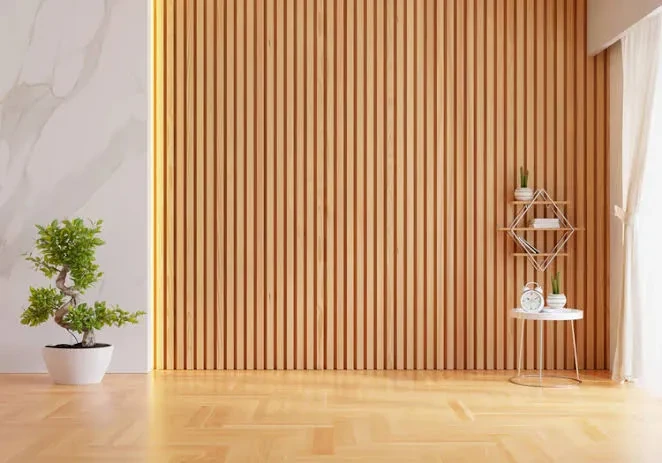 What Is Plastic Wall Cladding?
Plastic wall cladding refers to panels or sheets made from synthetic polymers—most commonly PVC (polyvinyl chloride), uPVC (unplasticized PVC), HDPE (high-density polyethylene), or polypropylene—that are installed on walls to provide protection and aesthetic appeal. These panels can be used indoors or outdoors, and they come in a wide range of thicknesses, textures, and finishes.
Unlike traditional cladding materials, plastic cladding is lightweight, easy to handle, and resistant to many of the environmental factors that degrade wood, rust metal, or crack masonry. It can mimic the look of natural materials—wood grain, stone, or brushed metal—without the associated upkeep, making it an attractive option for budget-conscious builders and designers.
Why Choose Plastic Wall Cladding?
The growing popularity of plastic cladding is driven by a set of practical advantages that appeal to both homeowners and commercial developers.
Weather resistance: Plastic cladding is highly resistant to moisture, UV radiation, and temperature fluctuations. It won't rot, warp, or rust, and it maintains its appearance even in harsh climates.
Low maintenance: Unlike wood, which requires regular painting or sealing, or metal, which can corrode, plastic cladding needs only occasional cleaning with soap and water. Its non-porous surface resists mold, mildew, and stains.
Lightweight and easy to install: Plastic panels are significantly lighter than wood, fiber cement, or metal, which makes them easier to transport and install. Many products are designed for DIY installation using simple tools, reducing labor costs and project timelines.
Cost-effective: Plastic cladding is generally more affordable than traditional materials, both in terms of material cost and installation. It also reduces long-term maintenance expenses.
Design flexibility: Available in a vast array of colors, patterns, and textures, plastic cladding can suit virtually any architectural style—from sleek contemporary to rustic traditional.
Common Types of Plastic Cladding Materials
Not all plastic cladding is the same. Different polymers offer different properties, and the right choice depends on your application and budget.
| Material | Key Characteristics | Best For |
|---|---|---|
| PVC / uPVC | Rigid, durable, chemical-resistant, available in many finishes | Exterior facades, soffits, interior wall panels |
| HDPE | Tough, impact-resistant, moisture-proof, UV-stabilized versions available | High-traffic areas, outdoor applications |
| Polypropylene | Lightweight, heat-resistant, good chemical resistance | Interior panels, laboratory or industrial settings |
| Foamed PVC | Lightweight, easy to cut and shape, smooth surface | Signage, interior decorative panels, furniture |
| Composite (wood-plastic) | Combines wood fibers and plastic for a natural look | Decking, fencing, exterior cladding with wood aesthetic |
Each material has its own strengths. PVC is the most common for general cladding; HDPE is preferred for heavy-duty outdoor use; foamed PVC is ideal for interior design and fabrication.
Where Is Plastic Cladding Used?
Plastic cladding is versatile enough for a wide range of applications.
Interior applications: Bathrooms and kitchens, where moisture resistance is critical Commercial kitchens and food processing areas, where hygiene matters Retail interiors, offices, and hospitality spaces for decorative wall panels Basements and laundry rooms, where humidity can be high
Exterior applications: Residential facades and accent walls Commercial building exteriors, including storefronts and office buildings Soffits, fascias, and under-eave areas Balconies, carports, and other semi-exposed structures
Other uses: Signage and display boards Temporary structures and exhibition booths Agricultural buildings and animal enclosures
In all these settings, plastic cladding provides a protective barrier that extends the life of the underlying wall structure while enhancing its appearance.
Plastic Cladding vs. Traditional Materials
How does plastic cladding compare to wood, metal, and fiber cement?
| Feature | Plastic Cladding | Wood Cladding | Metal Cladding | Fiber Cement |
|---|---|---|---|---|
| Moisture resistance | Excellent | Poor (rots, warps) | Good (but rusts) | Good |
| Maintenance | Low | High (painting, sealing) | Low to moderate | Moderate |
| Weight | Lightweight | Moderate | Heavy | Heavy |
| Installation | Easy, DIY-friendly | Moderate | Difficult | Difficult |
| Cost | Low to moderate | Moderate to high | High | Moderate to high |
| Design options | Wide range of colors/finishes | Natural wood look | Limited colors | Limited colors |
| Lifespan | 20–30+ years | 10–20 years (with upkeep) | 20–40 years | 30–50 years |
Plastic cladding outperforms wood in moisture resistance and maintenance, and it is more affordable and easier to install than metal or fiber cement. While it may not match the premium feel of natural materials, modern manufacturing has closed the aesthetic gap considerably.
Installation and Maintenance Tips
Installation: Ensure the wall surface is clean, dry, and relatively flat. Use the recommended fasteners and expansion gaps to allow for thermal movement. Follow manufacturer guidelines for horizontal or vertical orientation. For exterior use, install over a weather-resistant barrier and ensure proper drainage.
Maintenance: Clean periodically with mild soap and water using a soft cloth or brush. Avoid abrasive cleaners or solvents that could dull the surface. Inspect seals and joints annually, especially in exterior applications. Repair minor scratches with matching touch-up paint or replace individual panels if damage is severe.
With minimal care, plastic cladding can maintain its appearance for decades.
Environmental Considerations
Plastic cladding is derived from petrochemicals, which raises legitimate environmental concerns. However, several factors can improve its sustainability profile:
Recyclability: Many PVC and HDPE cladding products are recyclable at end of life. Durability: A long lifespan reduces the frequency of replacement and the associated resource consumption. Energy efficiency: Exterior cladding can improve insulation, lowering heating and cooling demands. Low maintenance: Fewer chemical treatments (paints, sealants) mean lower volatile organic compound (VOC) emissions over time.
When choosing plastic cladding, look for products with recycled content, low-VOC formulations, and manufacturer take-back programs.
How to Choose the Right Plastic Cladding
Before making a purchase, consider these factors:
- Application: Interior or exterior? High-moisture area? High-traffic zone?
- Material type: PVC, HDPE, polypropylene, or composite?
- Fire rating: Check local building codes for flame spread and smoke development requirements.
- UV stability: For outdoor use, ensure the product is UV-stabilized to prevent fading and embrittlement.
- Thickness and impact resistance: Thicker panels offer greater durability but cost more.
- Aesthetic match: Choose a color and texture that complements your design.
- Warranty: A strong warranty indicates manufacturer confidence.
- Reputation: Buy from established manufacturers with positive reviews and technical support.
- Cost: Compare total installed cost, not just material price.
- Sustainability: Look for recycled content and eco-friendly certifications.
Conclusion
Plastic wall cladding has earned its place as a practical, durable, and attractive solution for a wide range of building projects. It resists weather, requires minimal upkeep, installs easily, and comes in designs that can mimic wood, stone, or metal. While it may not suit every application—particularly where extreme fire resistance or a natural material aesthetic is required—it offers an excellent balance of performance and value for most residential and commercial needs.
By understanding the different types of plastic cladding, evaluating your specific requirements, and choosing a high-quality product from a reputable supplier, you can achieve a long-lasting, low-maintenance finish that enhances both the look and the durability of your walls. Whether you're a DIY enthusiast or a professional contractor, plastic cladding is a smart choice for modern construction and renovation.


