
'%20fill='%23fff'/%3e%3c/clipPath%3e%3c/defs%3e%3cg%20id='logo_s'%20transform='translate(3331%2011131)'%20clip-path='url(%23clip-path)'%3e%3ccircle%20id='椭圆_3510'%20data-name='椭圆%203510'%20cx='15'%20cy='15'%20r='15'%20transform='translate(-3330%20-11130)'%20fill='%23ffffff'%20opacity='0'/%3e%3cpath%20id='联合_790'%20data-name='联合%20790'%20d='M17,22.938H3.615a3.694,3.694,0,0,1-2.759-.895A3.625,3.625,0,0,1,0,19.454V3.489C.031,1.194,1.2.087,3.689.005H13.43L13.492,0V3.98a3,3,0,0,0,3,3h4.193V19.454c-.025,1.589-.662,3.485-3.554,3.485ZM5.8,16.588a.88.88,0,0,0,.879.879H14.1a.879.879,0,0,0,0-1.759H6.681A.88.88,0,0,0,5.8,16.588Zm0-3.836a.88.88,0,0,0,.879.879H14.1a.88.88,0,0,0,0-1.759H6.681A.881.881,0,0,0,5.8,12.752Zm0-3.837a.88.88,0,0,0,.879.879h4.783a.879.879,0,1,0,0-1.759H6.681A.88.88,0,0,0,5.8,8.915ZM17.031,5.5a2,2,0,0,1-2-2V.365a1.9,1.9,0,0,1,.3.235c.564.547,2.329,2.146,3.5,3.2l.068.061.886.8a2.8,2.8,0,0,1,.636.834Z'%20transform='translate(-3325.342%20-11126.47)'%20fill='%23ffffff'/%3e%3c/g%3e%3c/svg%3e)


 Why Renting an Apartment Makes Sense for Many Lifestyles
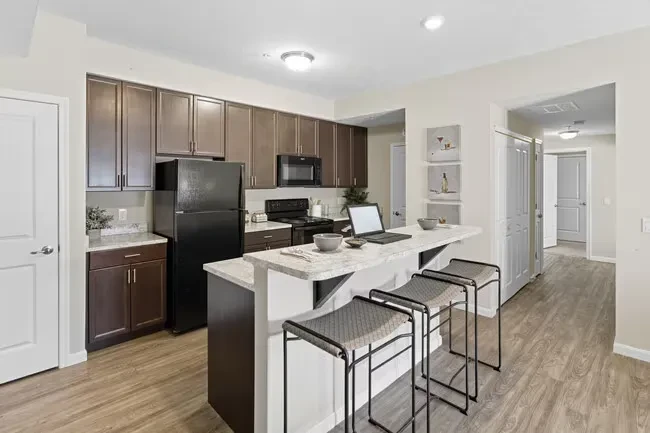 Why Renting an Apartment Makes Sense for Many Lifestyles
Renting offers unique advantages that homeownership cannot match. For those who value flexibility, renting allows you to move easily when your lease ends—perfect for young professionals, students, or anyone uncertain about staying in one city for more than a few years. Renters also avoid costly and time-consuming maintenance: when the dishwasher breaks or the roof leaks, the landlord (or property manager) is responsible for repairs. Additionally, renting often provides access to amenities like gyms, pools, rooftop lounges, and doormen that would be prohibitively expensive in a owned home. For many, the predictability of fixed monthly rent (versus fluctuating mortgage interest and property taxes) is a significant financial comfort.
Step 1: Determine Your Apartment Budget – Beyond the Monthly Rent
The most common mistake renters make is looking only at the listed rent. To truly understand affordability, you must calculate your total monthly housing costs.
The 30% Rule – And When to Bend It
Financial experts often recommend spending no more than 30% of your gross monthly income on rent. For example, if you earn $4,000 per month before taxes, your rent should ideally not exceed $1,200. However, in high-cost cities like New York, San Francisco, or Boston, many renters spend 40% or even 50% of their income on housing. The key is to be honest about your other expenses (student loans, car payments, groceries, savings) and adjust accordingly.
Hidden Costs You Must Include
Utilities: Water, sewer, trash (sometimes included), electricity, gas, internet, cable. Ask which utilities are included and get estimates from providers for the rest. Renter’s insurance: Usually $10–$30 per month, but some landlords require it and may even mandate a minimum coverage amount. Parking fees: If you have a car, an unassigned surface spot might be free, but garage parking can cost $50–$300+ per month. Pet rent or fees: Many apartments charge a monthly “pet rent” ($20–$50) plus a non-refundable deposit. Application and administration fees: Typically $25–$100 per applicant. Security deposit: Usually one month’s rent, though some states cap this amount.
Pro tip: Create a spreadsheet with your take-home pay minus all current bills and savings goals. The remainder is your true maximum rent. Never rely on the landlord’s “income requirement” (often 3x rent) alone—it may be too high or too low for your personal situation.
Step 2: Choose Your Location and Priorities
Location is the one thing you cannot change after signing a lease. Spend time researching neighborhoods before touring apartments.
Key Location Factors
Commute: How long will it take to get to work, school, or frequent errands? Test the commute during rush hour. Walkability: Are grocery stores, pharmacies, restaurants, and public transit within a reasonable distance? Safety: Check crime maps (e.g., SpotCrime, local police department data) and talk to potential neighbors. Noise: Proximity to hospitals, fire stations, bars, or train tracks can mean sleepless nights. Visit at different times of day. Future development: Is a new construction project planned next door? It could bring noise and dust.
Create a “Must-Have vs. Nice-to-Have” List
Separate your needs from wants. Examples:
| Must-Have | Nice-to-Have |
|---|---|
| In-unit laundry | Gym on site |
| Elevator (if on upper floor) | Balcony or patio |
| Secure entry | Dishwasher |
| Parking included | Rooftop access |
| Pet-friendly (if you have pets) | Concierge |
This list will keep you focused and prevent you from being distracted by shiny amenities that don’t actually improve your daily life.
Step 3: Search for Apartments – Where and How to Look
Gone are the days of only driving around for “For Rent” signs. Use a mix of digital and offline strategies.
Online Rental Platforms
Zillow Rentals and Apartments.com – Largest databases, good for most cities. HotPads – Great for map-based searching and short-term rentals. Craigslist / Facebook Marketplace – Can find hidden gems but beware of scams (never wire money without seeing the unit). Local property management companies – Many smaller landlords only list on their own websites.
Offline Strategies
Drive or walk through desired neighborhoods – Look for small “For Rent” signs that might not be online. Ask friends, coworkers, or local social media groups – Word-of-mouth can uncover vacancies before they’re advertised. Contact a real estate agent – In some cities, agents are free for renters (they receive a fee from the landlord).
Avoiding Scams
Common red flags: The rent is significantly below market average. The “landlord” claims to be out of the country and asks for a deposit before showing the unit. They pressure you to sign or pay without a physical tour. They request payment via wire transfer, CashApp, or gift cards.
Always verify ownership (many counties have online property records) and never pay anything before seeing the interior of the apartment.
Step 4: Tour Apartments Like a Pro
A 10-minute walk-through can hide major problems. Use this checklist during every tour.
What to Inspect
Water pressure: Turn on the shower and sink faucets. Flush the toilet. Signs of pests: Look for mouse droppings, roach traps, or small holes in baseboards. Windows: Do they open, close, and lock? Check for drafts. Storage space: Open closets and cabinets. Are they adequate? Appliances: Run the dishwasher, oven, microwave, and garbage disposal (if present). Check for rust or strange noises. Heating and cooling: Ask when the HVAC system was last serviced. Outlets: Bring a small phone charger to test several outlets. Noise: Open windows to hear street noise. Ask neighbors about thin walls.
Questions to Ask the Landlord or Property Manager
What utilities are included? Which are my responsibility? How are maintenance requests handled (online portal, phone, emergency line)? What is the policy on guests, overnight visitors, or subletting? Are there any additional fees (trash valet, common area electricity, etc.)? What is the lease renewal process? How much can rent increase after the first year? Is the apartment rent-controlled or rent-stabilized (if applicable)?
Take photos and videos during the tour – they will help you compare units later and document pre-existing conditions.
Step 5: Understand the Lease Agreement Before Signing
The lease is a legally binding contract. Never sign without reading every page.
Key Clauses to Scrutinize
Lease term: Most are 12 months, but some offer 6, 9, or 18 months. Shorter terms often cost more per month. Rent increases: Does the lease specify a fixed increase at renewal, or is it subject to market? Security deposit return: State laws dictate timelines (typically 14–30 days after move-out). The lease should list allowable deductions (cleaning, damages beyond normal wear and tear). Subletting and assignment: Can you sublet if you need to move early? Some leases prohibit it entirely. Maintenance responsibilities: Typically the landlord handles major systems, but you may be responsible for light bulbs, smoke detector batteries, or minor clogs. Late fees and grace period: How many days after the due date can you pay without penalty? What is the late fee amount? Entry by landlord: State laws require reasonable notice (usually 24 hours) except in emergencies.
Red Flags in a Lease
Vague language like “tenant will pay for any repairs deemed necessary by landlord.” No mention of security deposit return conditions. A clause that waives your right to sue or requires binding arbitration without your explicit consent. Provisions that contradict state or local tenant laws (e.g., no right to have guests).
Never be pressured into signing on the spot. Take the lease home, read it, and ask questions.
Step 6: Complete the Application and Approval Process
Once you decide on an apartment, you’ll need to submit a rental application.
Typical Application Requirements
Completed application form (personal info, employment, rental history). Proof of income (pay stubs, offer letter, tax returns, or bank statements). Photo ID (driver’s license, passport). Social Security number (for credit and background check). Rental history references (contact info for previous landlords). Application fee ($25–$100, non-refundable).
What Landlords Check
Credit score: Most landlords look for a score above 600–650. A low score may require a co-signer or larger deposit. Income: Gross income should typically be 2.5–3x the monthly rent. Rental history: Evictions or late payments are red flags. Be honest if you have past issues and provide context. Criminal background: Some jurisdictions restrict how far back landlords can look.
If You Have Less-Than-Perfect Credit
Offer a larger security deposit (e.g., two months’ rent). Provide a co-signer or guarantor (someone with good credit who agrees to pay if you default). Show proof of steady employment and savings. Look for smaller landlords who may be more flexible than corporate complexes.
Step 7: Prepare for Move-In – Inspections, Utilities, and Insurance
After approval and signing, you’ll need to finalize logistics.
Move-In Inspection Checklist
Before you bring in your furniture, walk through the apartment with the landlord or manager and document every defect: Scratches on floors or walls Cracked tiles or windows Non-working outlets or light fixtures Stains on carpets or upholstery
Take dated photos and videos. Both you and the landlord should sign a move-in inspection report. Keep a copy. This protects your security deposit when you move out.
Set Up Utilities and Services
Electricity and gas (may require a deposit if you have no credit history). Water, sewer, trash (sometimes included – confirm). Internet and cable. Renter’s insurance – highly recommended even if not required. It covers your belongings against theft, fire, and water damage, and provides liability coverage if someone is injured in your apartment.
Change Your Address
USPS: Forward your mail (free for the first year). Update your driver’s license, bank accounts, credit cards, subscriptions, and employer records.
Step 8: Settle In and Be a Good Neighbor
Moving in is only the beginning. How you conduct yourself affects your rental experience and future references.
Build a Positive Relationship with the Landlord
Pay rent on time or early. Report maintenance issues promptly but reasonably. Keep the apartment clean and avoid causing damage. Communicate in writing for important requests (email or tenant portal).
Respect Noise and Common Areas
Be mindful of quiet hours (usually 10 PM – 8 AM). Don’t leave trash in hallways or shared spaces. If you have guests, ensure they follow building rules.
Know Your Rights
Landlords cannot retaliate against you for complaining about unsafe conditions. Most states require landlords to provide heat, hot water, and essential services. You have the right to form a tenant association in many jurisdictions.
Renewing, Moving Out, or Breaking a Lease
As your lease end approaches, decide your next move.
Renewal
Landlords often send a renewal offer 60–90 days before the lease ends. Negotiate if market rents have dropped or if you’ve been an excellent tenant. Some cities have rent control limiting increases.
Moving Out
Provide written notice as required (usually 30–60 days). Clean the apartment thoroughly and repair any damage beyond normal wear and tear. Attend the final walkthrough with the landlord. Provide your forwarding address for the security deposit return.
Breaking a Lease Early
This can be expensive. Options: Find a qualified subletter (if allowed). Negotiate a buyout (e.g., two months’ rent). Provide proof of qualified reasons (military orders, domestic violence, uninhabitable conditions) that may allow penalty-free termination.
- Without agreement, you may owe rent for the remaining months (but the landlord has a duty to try to re-rent).
Common Renting Mistakes and How to Avoid Them
Not reading the lease – Never assume standard clauses are fair. Relying on verbal promises – Get everything in writing (e.g., “Yes, you can paint the walls” should be in an addendum). Forgetting to photograph the move-in condition – Without proof, the landlord can claim you caused existing damage. Paying cash without a receipt – Always use checks or electronic payments with a paper trail. Ignoring your renter’s insurance – When a fire or flood happens, it’s too late. Overlooking the neighborhood at night – A lovely daytime street can be noisy or unsafe after dark.
Conclusion: Your Apartment, Your Home
Renting an apartment is more than a transaction; it’s the foundation of your daily life. By approaching the search with a clear budget, a critical eye during tours, and careful reading of the lease, you can avoid the most common headaches. Remember that a good landlord-tenant relationship is a two-way street: respect the property, communicate clearly, and pay on time. With this guide in hand, you’re ready to find an apartment that truly feels like home—without the stress.
Start your search today, and don’t settle until you find a space that brings you comfort, safety, and joy. Happy renting!


