
'%20fill='%23fff'/%3e%3c/clipPath%3e%3c/defs%3e%3cg%20id='logo_s'%20transform='translate(3331%2011131)'%20clip-path='url(%23clip-path)'%3e%3ccircle%20id='椭圆_3510'%20data-name='椭圆%203510'%20cx='15'%20cy='15'%20r='15'%20transform='translate(-3330%20-11130)'%20fill='%23ffffff'%20opacity='0'/%3e%3cpath%20id='联合_790'%20data-name='联合%20790'%20d='M17,22.938H3.615a3.694,3.694,0,0,1-2.759-.895A3.625,3.625,0,0,1,0,19.454V3.489C.031,1.194,1.2.087,3.689.005H13.43L13.492,0V3.98a3,3,0,0,0,3,3h4.193V19.454c-.025,1.589-.662,3.485-3.554,3.485ZM5.8,16.588a.88.88,0,0,0,.879.879H14.1a.879.879,0,0,0,0-1.759H6.681A.88.88,0,0,0,5.8,16.588Zm0-3.836a.88.88,0,0,0,.879.879H14.1a.88.88,0,0,0,0-1.759H6.681A.881.881,0,0,0,5.8,12.752Zm0-3.837a.88.88,0,0,0,.879.879h4.783a.879.879,0,1,0,0-1.759H6.681A.88.88,0,0,0,5.8,8.915ZM17.031,5.5a2,2,0,0,1-2-2V.365a1.9,1.9,0,0,1,.3.235c.564.547,2.329,2.146,3.5,3.2l.068.061.886.8a2.8,2.8,0,0,1,.636.834Z'%20transform='translate(-3325.342%20-11126.47)'%20fill='%23ffffff'/%3e%3c/g%3e%3c/svg%3e)


Why Renting a Senior Apartment Is a Smarter Choice Than Ever
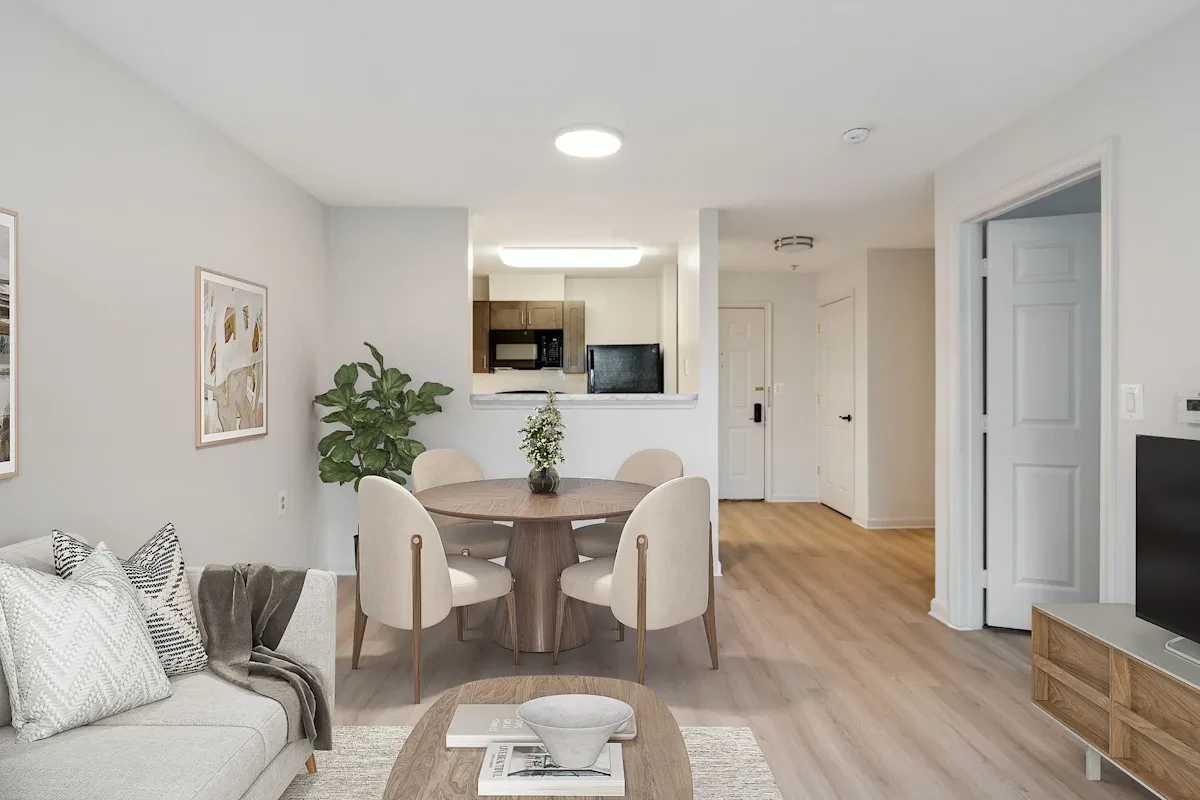
The traditional view of senior housing often centered on owning a home or moving into a costly buy‑in retirement community. Today, renting has emerged as a flexible, financially sound, and increasingly desirable alternative. Here’s why:
Freedom to Move: Unlike homeowners who must sell before relocating, renters can move easily when their needs change—whether that means being closer to grandchildren, seeking better medical care, or exploring a different climate. No Surprise Costs: Property taxes, roof repairs, and appliance replacements vanish. Your monthly rent covers predictable expenses, often including utilities, maintenance, and even amenities like a fitness center or social lounge. Try Before You Commit: Many senior rentals offer short‑term or month‑to‑month leases, allowing you to experience a community before making a long‑term commitment. Access to Amenities Without the Price Tag: Why buy a house with a pool and a workshop when you can rent an apartment that gives you both? Senior rentals let you enjoy premium features without the capital investment or upkeep.
The Three Main Types of Senior Apartment Rentals
Understanding the landscape helps you target the right option for your situation.
| Type | Description | Best For |
|---|---|---|
| Independent Senior Apartments (55+ / 62+) | Age‑restricted communities with no medical or daily living assistance. Focus on social activities, maintenance‑free living, and convenience. | Active seniors who want community, activities, and no home chores. |
| Subsidized Senior Housing (Income‑Based) | Government‑funded apartments where rent is capped at 30% of your adjusted income. Often run by HUD or local housing authorities. | Seniors on limited, fixed incomes who need affordable rent. |
| Rental‑Based Assisted Living Apartments | Private apartments with built‑in support services: meals, medication reminders, housekeeping, and 24‑hour staff. Care plans are personalized. | Seniors who need some daily help but value their own living space. |
Some communities also offer hybrid models, such as mixed‑age rentals with senior‑friendly design features (first‑floor units, grab bars, emergency call systems) but no age restriction.
Key Features to Look for in a Senior Apartment
When you start touring, use this checklist to separate average properties from exceptional ones.
Safety & Accessibility
Step‑free entry and wide doorways (minimum 32 inches) for walkers or wheelchairs. Grab bars in the shower and near the toilet. Lever‑style faucets and door handles (easier than knobs). Good lighting, especially in hallways and stairwells. Emergency pull cords or a wearable alert system.
Comfort & Livability
In‑unit washer/dryer or easily accessible laundry rooms on each floor. Adequate storage, including lower cabinets and closets you can reach. Individual climate control (thermostat in your apartment). Noise insulation—ask about walls between units and quiet hours policies.
Community & Services
A full‑time activities director who plans events, classes, and outings. On‑site amenities: library, fitness room, garden, craft room, or movie theater. Transportation: shuttle to grocery stores, doctors’ offices, and shopping centers. Meal options: some communities offer group dining or meal delivery services for an extra fee.
Pet Policies
If you have a cat or dog, confirm weight limits, breed restrictions, and any extra monthly fees.
Cost Breakdown: What You’ll Pay and How to Save
Senior apartment costs vary dramatically by location, type, and amenities. Here’s a realistic picture:
Market‑rate independent senior apartments (USA averages): $1,200 – $2,800/month for a one‑bedroom. Luxury communities in coastal cities can exceed $4,000. Subsidized housing: Rent = 30% of your adjusted monthly income. For example, if your Social Security + pension = $1,800/month, you pay about $540. Assisted living rental apartments: $3,000 – $6,500/month depending on care level. Some states offer Medicaid waivers to help cover costs.
Ways to reduce expenses: Apply for Section 8 vouchers or state rental assistance programs (waiting lists can be long—apply early). Look for “affordable senior apartments” through your local housing authority or nonprofit developers. Share a two‑bedroom unit with a trusted friend or sibling (if allowed) to split costs. Move to a smaller city or suburban area with lower rents but still good medical access.
How to Find Senior Apartment Rentals
Start with these reliable sources: Online databases: SeniorHousingNet – Filter by age, income requirements, and amenities. AARP’s Senior Housing Locator – Offers vetted listings. HUD’s Resource Locator – For subsidized properties. Apartments.com / Zillow – Use filters “55+” or “senior living.”
Local Area Agency on Aging – They maintain up‑to‑date lists of affordable and market‑rate senior housing.
Nonprofit organizations – Many faith‑based groups (Catholic Charities, Jewish Federation) operate or partner with senior rental communities.
Senior move managers – Professionals who help downsize and can refer you to reputable communities.
Word of mouth – Ask your doctor, friends, or at your senior center.
Step‑by‑Step Application Process
Once you’ve found promising communities, follow this roadmap:
Prepare your documents – Government ID, Social Security card, proof of all income (SSA award letters, pension statements, bank interest), and last two years’ tax returns. For subsidized housing, also have a list of assets (savings, stocks, real estate).
Submit applications – Apply to multiple communities, especially if there are waiting lists. Some charge a small non‑refundable fee ($25–$75).
Follow up politely – For market‑rate rentals, call after 3–5 days. For subsidized, check every few weeks to confirm your position on the list.
Interview (if required) – Some communities have a short conversation to ensure you’re a good fit for the social environment.
Review the lease – Pay attention to: lease length, rent increase policy, guest rules (overnight visitors), subletting, and termination clauses. Ask for a sample lease before you commit.
Conduct a move‑in inspection – Walk through with the manager, note any existing damage, and take date‑stamped photos. Sign the inspection report.
Real Resident Experience: A New Beginning
“After my husband passed, I stayed in our big house for two years. I was lonely, exhausted from yard work, and afraid of falling on the stairs. A friend told me about a senior rental community ten minutes away. I now have a sunny one‑bedroom with a walk‑in shower and a small balcony. I leave my door open when I want company, and close it when I need quiet. Last week, I joined the painting class and the book club. For the first time in years, I feel like I belong again. And if my health declines, I can move to their assisted living wing without packing everything up again. This rental gave me my life back.” – Dorothy, 78, retired nurse
Common Pitfalls and How to Avoid Them
Not visiting at different times – A quiet Sunday afternoon may not reveal the noisy Thursday night card game. Visit on a weekday morning and also on a weekend evening. Ignoring the fine print on “all‑inclusive” rent – Some communities advertise a low base rent but add fees for parking, cable, meals, or activities. Ask for a complete fee schedule. Overlooking transportation – If you don’t drive, verify that the community shuttle runs to places you actually need (pharmacy, grocery, hospital) and how often. Forgetting about future needs – Does the building allow you to bring in outside home health aides? Are there first‑floor units available if you can’t use stairs later? Rushing the decision – Even if you need to move quickly, take at least a few days to compare at least three options.
Financial and Legal Protections for Senior Renters
Know your rights to avoid exploitation:
Fair Housing Act – Prohibits discrimination based on age (except for legitimate senior‑only housing). Also protects against disability discrimination. Lease protections – Many states require a 30‑day written notice before eviction and prohibit retaliation for complaints. Reverse mortgage caution – Never take out a reverse mortgage to pay rent. If you struggle with rent, seek rental assistance or negotiate with the landlord. Power of attorney – Consider having a trusted family member hold durable power of attorney for financial and housing decisions in case of incapacity.
Making the Final Decision: A Simple Scoring System
To objectively compare communities, create a scorecard. Rate each from 1 (poor) to 5 (excellent) on:
Safety and accessibility features Monthly cost within your budget Social activities and calendar Staff friendliness and responsiveness Cleanliness and maintenance of common areas Location relative to family, medical care, and shopping Flexibility of lease terms
Add the scores. The highest total is likely your best match—but trust your gut as well. If a place feels “off,” keep looking.
Your Move‑In Transition: Settling In Successfully
The first 90 days in a new senior apartment are critical for building a happy new life.
Unpack intentionally – Place everyday items at waist height. Keep a small flashlight and emergency numbers by your bed. Introduce yourself to neighbors – Knock on doors with a small treat or just a smile. Attend the next community meal or activity. Personalize your space – Hang photos, put out familiar objects, and add a comfortable chair. Make it feel like your home. Learn the routines – When are meals served? When is maintenance available? How do you request shuttle service? 5. Give yourself grace – It takes time to adjust. If you feel lonely at first, that’s normal. Force yourself to attend one event per week until friendships form.
Conclusion: Your Best Chapter Starts with the Right Rental
Renting a senior apartment is not a step down. It’s a strategic upgrade—one that trades yard work for art classes, isolation for community, and financial uncertainty for predictable budgeting. By following this roadmap, researching thoroughly, and trusting both your head and your heart, you will find a place that supports your independence, celebrates your life experience, and welcomes you home.
*Start today. Download a senior apartment checklist, schedule two tours for next week, and imagine the relief of locking your door and walking away while someone else changes the lightbulb. Your worry‑free, vibrant future is waiting.*Senior Apartment Rentals: Your Complete Roadmap to a Worry-Free, Vibrant Next Home


