
'%20fill='%23fff'/%3e%3c/clipPath%3e%3c/defs%3e%3cg%20id='logo_s'%20transform='translate(3331%2011131)'%20clip-path='url(%23clip-path)'%3e%3ccircle%20id='椭圆_3510'%20data-name='椭圆%203510'%20cx='15'%20cy='15'%20r='15'%20transform='translate(-3330%20-11130)'%20fill='%23ffffff'%20opacity='0'/%3e%3cpath%20id='联合_790'%20data-name='联合%20790'%20d='M17,22.938H3.615a3.694,3.694,0,0,1-2.759-.895A3.625,3.625,0,0,1,0,19.454V3.489C.031,1.194,1.2.087,3.689.005H13.43L13.492,0V3.98a3,3,0,0,0,3,3h4.193V19.454c-.025,1.589-.662,3.485-3.554,3.485ZM5.8,16.588a.88.88,0,0,0,.879.879H14.1a.879.879,0,0,0,0-1.759H6.681A.88.88,0,0,0,5.8,16.588Zm0-3.836a.88.88,0,0,0,.879.879H14.1a.88.88,0,0,0,0-1.759H6.681A.881.881,0,0,0,5.8,12.752Zm0-3.837a.88.88,0,0,0,.879.879h4.783a.879.879,0,1,0,0-1.759H6.681A.88.88,0,0,0,5.8,8.915ZM17.031,5.5a2,2,0,0,1-2-2V.365a1.9,1.9,0,0,1,.3.235c.564.547,2.329,2.146,3.5,3.2l.068.061.886.8a2.8,2.8,0,0,1,.636.834Z'%20transform='translate(-3325.342%20-11126.47)'%20fill='%23ffffff'/%3e%3c/g%3e%3c/svg%3e)


 1. 2026 Housing Tiers: From Emergency to Permanence
 1. 2026 Housing Tiers: From Emergency to Permanence
The Salvation Army’s 2026 housing infrastructure is categorized into four primary tiers, each serving a specific demographic and need level.
Emergency Shelters and Warming Centers
These facilities provide immediate, short-term respite from extreme weather or sudden homelessness.
- 2026 Service Model: In addition to a safe bed, every stay includes nutritious meals, clean showers, and basic hygiene essentials.
- Entry in 2026: Most urban shelters operate on a first-come, first-served basis, with intake typically starting in the late afternoon. During "Code Blue" or "Code Red" weather alerts, capacity is often expanded with temporary mats.
Transitional Living Centers (TLC)
Designed for individuals and families who are "in-between" permanent housing, offering support for up to 6 to 12 months.
- Focus Areas: TLCs in 2026 prioritize families with children, youth aging out of foster care, and individuals overcoming domestic break-ups.
- Requirements: Residents are expected to obtain employment, develop a savings account, and participate in life-skills classes, including budgeting and career counseling.
Permanent Supportive Housing (PSH)
 Permanent Supportive Housing (PSH)
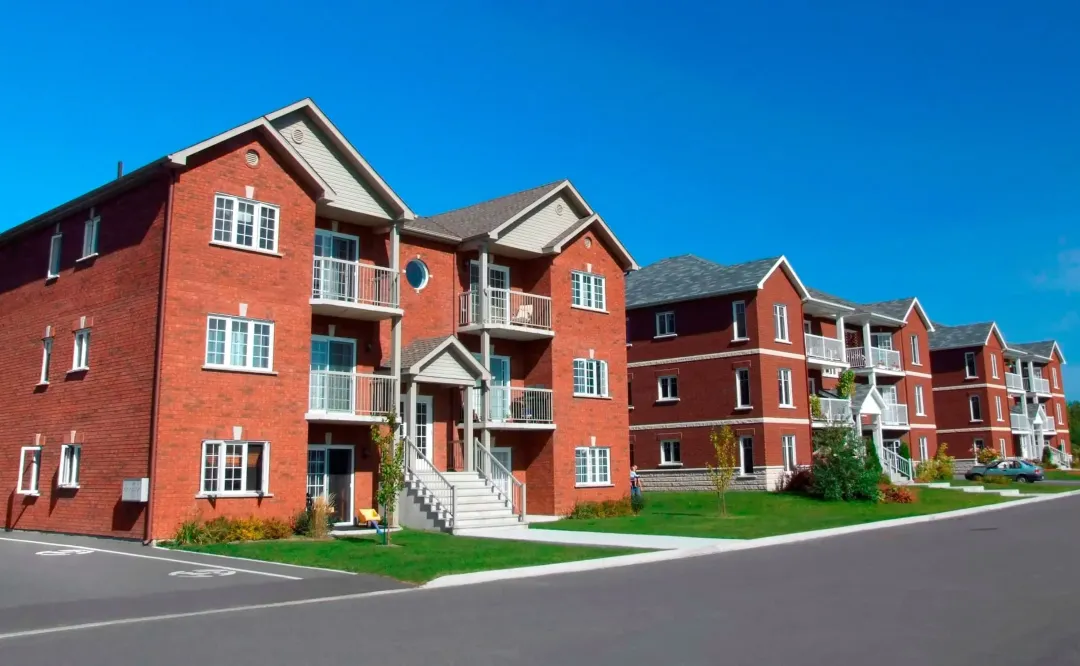
Long-term housing solutions for chronically homeless individuals or those with documented disabilities.
- 2026 Rent Model: Participants typically pay 30 percent of their adjusted gross income toward rent, with the program covering the balance.
- Service Integration: 2026 PSH projects include 24-hour staff accessibility, money management assistance, and individualized crisis support.
2. Silvercrest Senior Residences: The 2026 Expansion
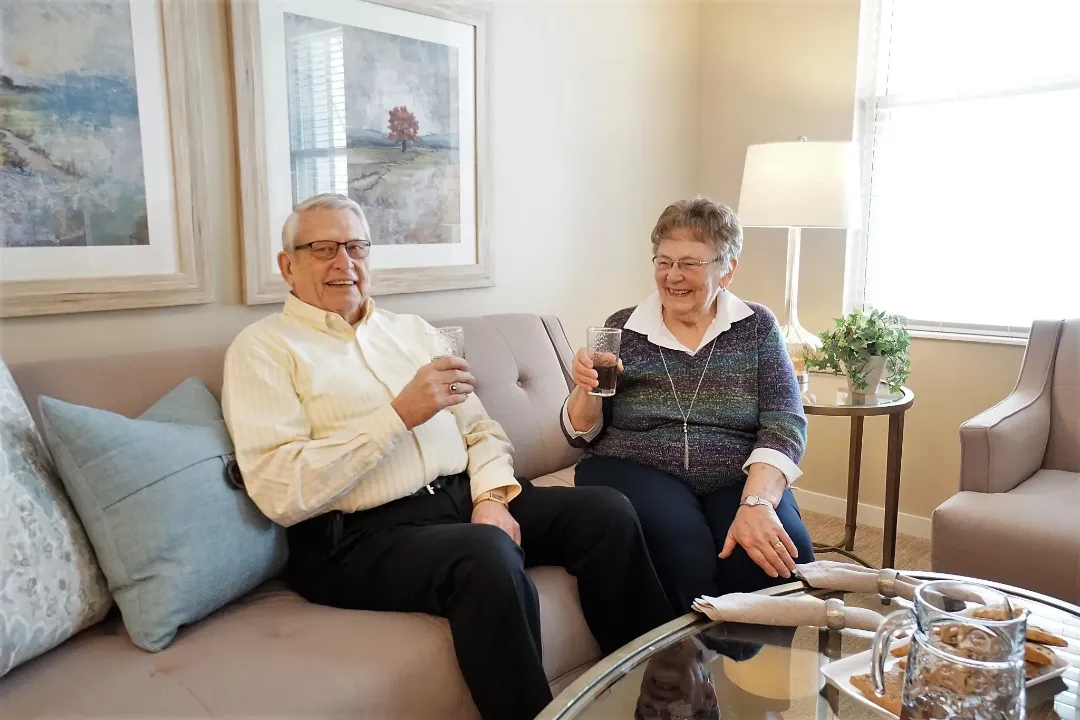
The Silvercrest program provides subsidized, independent living for low-income seniors aged 62 and older.
- 2026 Growth: A significant milestone in late 2025 and early 2026 was the opening of the new Silvercrest in Ogden, Utah—the first new-build project of its kind in nearly two decades. This 52-unit community serves as the 2026 blueprint for "Affordable Independent Living."
- Eligibility: Applicants must generally be at or below 30 to 50 percent of the Area Median Income (AMI).
- The "Home" Philosophy: Silvercrests are often located adjacent to Salvation Army Worship and Service Centers, providing seniors with immediate access to social ministries, nutritious meals, and a strong sense of community.
3. The Adult Rehabilitation Center (ARC) 180-Day Program
The ARC remains a cornerstone of The Salvation Army’s 2026 mission, offering a no-fee, residential work-therapy program for adults (21-65) struggling with substance use or life-crisis issues.
Mandatory 2026 Entry Requirements
- Physical Ability: Applicants must be able to complete a 40-hour weekly work-therapy assignment (sorting donations, logistics, etc.).
- Testing: Must pass a drug screening and breathalyzer test upon arrival.
- Spiritual Commitment: Residents must agree to participate in all program activities, including chapel services, Bible study, and 12-step recovery meetings.
The 2026 Initial Restriction Period
To ensure focus and stability, new ARC residents in 2026 must adhere to a strict 30-day "Restriction Period."
- External Business: All legal and medical appointments must be settled before entry, as residents are typically not permitted to leave the facility for personal errands during the first month.
- Communication: Phone calls and visitors are generally restricted during this initial phase to eliminate outside triggers and distractions.
4. Veterans Housing: VA-HOP and VA-CASS
In 2026, The Salvation Army has strengthened its partnership with the Department of Veterans Affairs to offer specialized housing tracks.
- VA Housing Opportunities Program (VA-HOP): Provides up to 12 months of community-based transitional housing for veterans.
- VA-CASS: A more intensive program lasting up to two years, focused on veterans with significant health needs who require case management to transition to independent living.
5. Strategic Intake and Access in 2026
Navigating the 2026 system requires understanding local "Continuum of Care" (CoC) networks.
- Centralized Referral: In many 2026 metropolitan areas, referrals for permanent supportive housing must come through a central agency (like MACCH in Omaha or the San Diego Housing Commission).
- The 2-1-1 Shortcut: For immediate shelter vacancies, dialing 2-1-1 remains the most effective way to identify which local Salvation Army branch has available beds for families or individuals.
- Digital Documentation: 2026 intake officers will require digital or physical proof of income, ID, and often a "Homeless Verification" form from a referring agency or outreach worker.
Conclusion
The Salvation Army’s 2026 housing network is a professionalized, data-driven system that refuses to sacrifice its core mission of "Meeting Human Needs Without Discrimination." From the cutting-edge Silvercrest senior apartments in Utah to the intensive 180-day rehabilitation journey of the ARC, the organization provides a pathway out of homelessness for every demographic. While the 2026 application process requires meticulous documentation and adherence to strict program rules—such as the 30-day restriction in recovery centers—the results speak for themselves, with up to 85 percent of transitional residents moving into permanent independent housing. For those seeking assistance in 2026, the key is early engagement with local caseworkers and a commitment to the holistic services that accompany every bed provided by The Salvation Army.


