
'%20fill='%23fff'/%3e%3c/clipPath%3e%3c/defs%3e%3cg%20id='logo_s'%20transform='translate(3331%2011131)'%20clip-path='url(%23clip-path)'%3e%3ccircle%20id='椭圆_3510'%20data-name='椭圆%203510'%20cx='15'%20cy='15'%20r='15'%20transform='translate(-3330%20-11130)'%20fill='%23ffffff'%20opacity='0'/%3e%3cpath%20id='联合_790'%20data-name='联合%20790'%20d='M17,22.938H3.615a3.694,3.694,0,0,1-2.759-.895A3.625,3.625,0,0,1,0,19.454V3.489C.031,1.194,1.2.087,3.689.005H13.43L13.492,0V3.98a3,3,0,0,0,3,3h4.193V19.454c-.025,1.589-.662,3.485-3.554,3.485ZM5.8,16.588a.88.88,0,0,0,.879.879H14.1a.879.879,0,0,0,0-1.759H6.681A.88.88,0,0,0,5.8,16.588Zm0-3.836a.88.88,0,0,0,.879.879H14.1a.88.88,0,0,0,0-1.759H6.681A.881.881,0,0,0,5.8,12.752Zm0-3.837a.88.88,0,0,0,.879.879h4.783a.879.879,0,1,0,0-1.759H6.681A.88.88,0,0,0,5.8,8.915ZM17.031,5.5a2,2,0,0,1-2-2V.365a1.9,1.9,0,0,1,.3.235c.564.547,2.329,2.146,3.5,3.2l.068.061.886.8a2.8,2.8,0,0,1,.636.834Z'%20transform='translate(-3325.342%20-11126.47)'%20fill='%23ffffff'/%3e%3c/g%3e%3c/svg%3e)


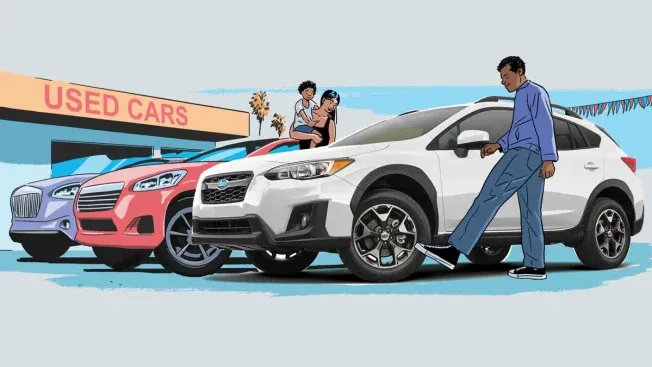 Market Trends and Popular Models in 2026
The used car market in Brazil is highly influenced by fuel flexibility and resale value. "Flex" engines, which run on both gasoline and ethanol, dominate the landscape.
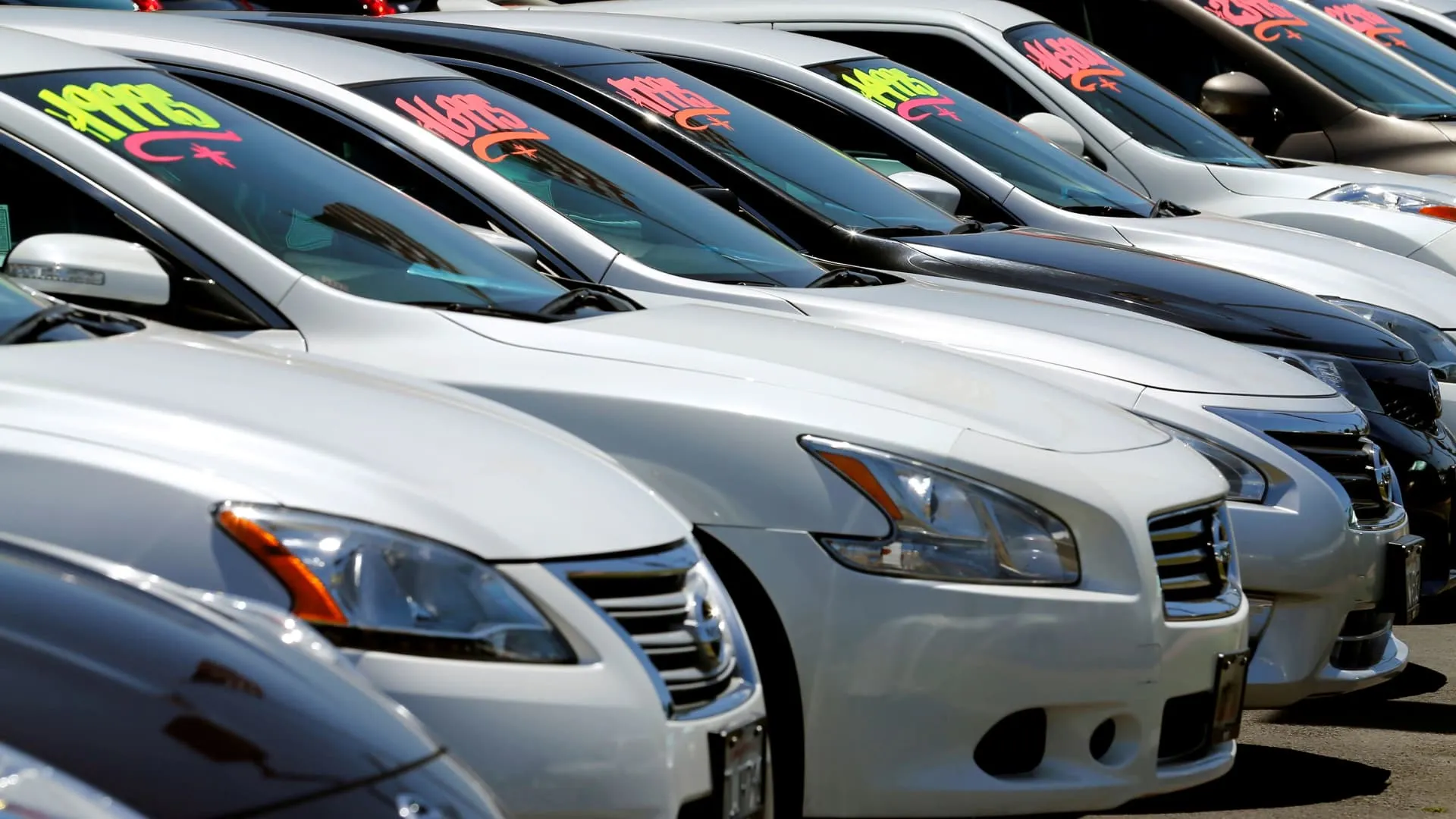 Top-Selling Pre-Owned Vehicles
Small hatchbacks and compact SUVs remain the most liquid assets in the used market. The Volkswagen Gol (a long-time favorite), Fiat Strada, and Hyundai HB20 are renowned for their high resale value and low maintenance costs. In the SUV category, the Jeep Compass and Volkswagen T-Cross are the most sought-after pre-owned models for urban families in cities like São Paulo and Curitiba.
The Rise of Electric and Hybrid Resale
By 2026, a secondary market for hybrid and electric vehicles (EVs) has begun to mature in major Brazilian hubs. Used models like the Toyota Corolla Cross Hybrid and the BYD Dolphin are increasingly common, though buyers are advised to conduct rigorous battery health checks before finalizing a purchase.
Navigating the Buying Process and Documentation
Transferring vehicle ownership in Brazil involves specific bureaucratic steps that must be followed to avoid future legal or financial liabilities.
Essential Documentation (DUT and CRLV)
The most critical document is the CRV (Certificado de Registro de Veículo), also known as the DUT. For a sale to be legal, the seller must sign the DUT, and the signature must be notarized (reconhecimento de firma) at a local Cartório. Since 2021, many of these processes have shifted to the digital version, the ATPV-e, accessible via the "Carteira Digital de Trânsito" app.
Inspection and the "Vistoria Cautelar"
Before buying a used car, it is standard practice to request a Vistoria Cautelar. This is a comprehensive third-party inspection that checks for structural damage, previous accidents, and engine authenticity. This report ensures the car has not been salvaged from a flood or involved in insurance-loss claims, which are common concerns in coastal regions like Rio de Janeiro.
Financial Considerations and Hidden Costs
The sticker price of a used car in Brazil is only one part of the total investment.
IPVA and Annual Licensing
The IPVA (Imposto sobre a Propriedade de Veículos Automotores) is an annual tax that varies by state, typically ranging from 1% to 4% of the vehicle's market value. When purchasing a used car, always verify if the current year's IPVA has been paid in full, as any outstanding balance transfers to the new owner.
Insurance and Maintenance
Insurance premiums in Brazil can be high, particularly for models with high theft rates. It is advisable to get an insurance quote before purchasing. Additionally, ensure that the vehicle has a completed "Manual de Revisões" (Service Manual) with stamps from authorized dealerships, as this significantly boosts the car's reliability and future resale price.
Where to Buy: Digital Platforms vs. Dealerships
Leading Online Marketplaces
In 2026, the digital transition of the Brazilian car market is nearly complete. Leading platforms include:
- Webmotors: The most popular platform for high-quality listings and dealer-certified vehicles.
- OLX Brasil: Excellent for finding private sellers and lower-priced older models, though it requires more caution regarding scams.
- Kavak: A major player in the "certified used" segment, offering warranties and standardized inspections for their inventory.
Traditional Dealerships (Concessionárias)
Buying from a dealership often provides a 90-day mechanical warranty required by Brazilian Consumer Law (CDC). While prices are generally 5% to 10% higher than private sales, the added security and assistance with paperwork make it a preferred choice for those unfamiliar with the local bureaucracy.
Conclusion
The Brazilian used car market in 2026 offers diverse opportunities for value-conscious buyers. By prioritizing "Flex" engine models for fuel versatility, insisting on a professional "Vistoria Cautelar," and ensuring all digital documentation is correctly notarized through a Cartório, you can secure a reliable vehicle. Whether navigating the bustling streets of Belo Horizonte or the highways of the interior, a well-chosen used car remains the most practical path to mobility in Brazil.


