
'%20fill='%23fff'/%3e%3c/clipPath%3e%3c/defs%3e%3cg%20id='logo_s'%20transform='translate(3331%2011131)'%20clip-path='url(%23clip-path)'%3e%3ccircle%20id='椭圆_3510'%20data-name='椭圆%203510'%20cx='15'%20cy='15'%20r='15'%20transform='translate(-3330%20-11130)'%20fill='%23ffffff'%20opacity='0'/%3e%3cpath%20id='联合_790'%20data-name='联合%20790'%20d='M17,22.938H3.615a3.694,3.694,0,0,1-2.759-.895A3.625,3.625,0,0,1,0,19.454V3.489C.031,1.194,1.2.087,3.689.005H13.43L13.492,0V3.98a3,3,0,0,0,3,3h4.193V19.454c-.025,1.589-.662,3.485-3.554,3.485ZM5.8,16.588a.88.88,0,0,0,.879.879H14.1a.879.879,0,0,0,0-1.759H6.681A.88.88,0,0,0,5.8,16.588Zm0-3.836a.88.88,0,0,0,.879.879H14.1a.88.88,0,0,0,0-1.759H6.681A.881.881,0,0,0,5.8,12.752Zm0-3.837a.88.88,0,0,0,.879.879h4.783a.879.879,0,1,0,0-1.759H6.681A.88.88,0,0,0,5.8,8.915ZM17.031,5.5a2,2,0,0,1-2-2V.365a1.9,1.9,0,0,1,.3.235c.564.547,2.329,2.146,3.5,3.2l.068.061.886.8a2.8,2.8,0,0,1,.636.834Z'%20transform='translate(-3325.342%20-11126.47)'%20fill='%23ffffff'/%3e%3c/g%3e%3c/svg%3e)


 This guide breaks down realistic rental price ranges by region, explains how to secure a rental quickly, and outlines the most effective strategies to avoid delays, rejections, and hidden costs.
1. What “Affordable” Really Means in 2025
In 2025, “affordable housing” varies significantly depending on location, property type, and local demand. A house considered affordable in Texas may be impossible to find at the same price in California or New York.
A general affordability rule used by landlords and property managers:
- Monthly rent should not exceed 30–35% of gross monthly income
Understanding this rule helps you avoid applying for homes you are unlikely to qualify for.
2. Average House Rental Prices by U.S. Region (2025)
Midwest (Ohio, Indiana, Missouri, Michigan)
- Small single-family homes: $900 – $1,300/month
- 2–3 bedroom houses: $1,200 – $1,600/month
- Best for renters seeking affordability and stability
Southern States (Texas, Georgia, Florida, North Carolina)
- Entry-level houses: $1,100 – $1,600/month
- Family homes (3 bedrooms): $1,500 – $2,100/month
- High demand in metro suburbs, faster application cycles
Southwest (Arizona, Nevada, New Mexico)
- Basic homes: $1,200 – $1,700/month
- Newer builds: $1,600 – $2,300/month
- Popular for retirees and remote workers
West Coast (California, Oregon, Washington)
- Small houses: $2,200 – $3,200/month
- Suburban family homes: $2,800 – $4,000/month
- Competition is intense; preparation is critical
Northeast (New York, Massachusetts, New Jersey)
- Entry-level houses: $2,000 – $3,000/month
- Suburban homes: $2,500 – $4,500/month
- Strict income and credit requirements
3. How to Move In Fast: Preparation Is Everything
Renters who secure homes quickly usually prepare before they start searching.
Documents to Prepare in Advance
- Government-issued ID
- Proof of income (recent pay stubs or offer letter)
- Bank statements (optional but helpful)
- Credit report or credit score screenshot
- References from previous landlords or employers
Having these ready allows you to apply the same day you tour a property.
4. Where to Find Affordable Houses for Rent
Online Platforms
- Zillow
- Realtor.com
- Apartments.com (filter for houses)
- Facebook Marketplace (local listings)
Tip: Set alerts and check listings early morning and late evening—many properties are rented within 24–48 hours.
Local Property Managers
Smaller property management companies often have:
- Lower fees
- Faster approvals
- Less competition than large platforms
Drive-and-Call Method
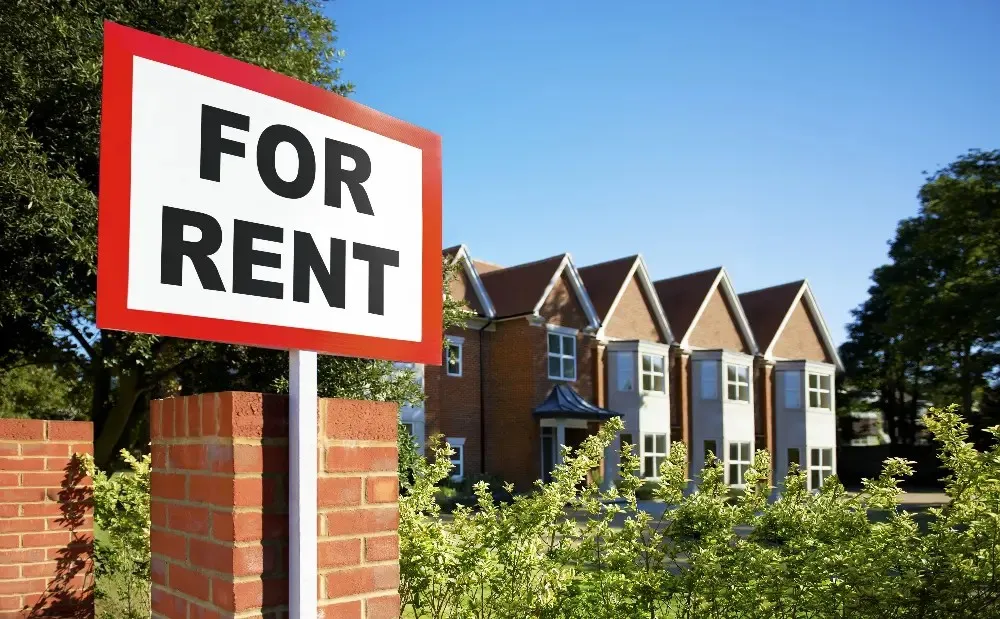
In suburban or rural areas, many landlords still post “For Rent” signs without online listings. Calling directly can bypass competition.
5. Understanding Application Requirements
Most landlords evaluate renters based on:
- Income (2.5x–3x rent)
- Credit score (typically 620+)
- Rental history
- Background check
If your credit is weak:
- Offer a larger security deposit (where legal)
- Provide a co-signer
- Show stable income and savings
6. Security Deposits and Move-In Costs
Typical upfront costs include:
- First month’s rent
- Security deposit (1–2 months’ rent)
- Application fee
Example:
If rent is $1,500/month, total move-in cost may range from $3,000 – $4,500.
Always confirm:
- Deposit refund conditions
- Cleaning or repair deductions
- Move-out notice requirements
7. Lease Terms You Must Review Carefully
Before signing, check these clauses:
- Lease duration (12 months vs. month-to-month)
- Rent increase policy
- Maintenance responsibility
- Early termination penalties
- Pet rules and additional fees
Never rely on verbal promises—everything should be written in the lease.
8. How to Spot Affordable Homes Without Hidden Problems
Affordable does not mean neglected, but renters should inspect carefully:
- Check water pressure and plumbing
- Test heating and cooling systems
- Look for signs of mold or water damage
- Confirm appliances are included and working
Ask who handles repairs and average response time.
9. Strategies for Beating Competition
- Apply immediately after viewing
- Write a short renter introduction message
- Be flexible on move-in dates
- Avoid unnecessary negotiation in hot markets
Landlords often choose the most prepared and responsive applicant, not just the highest income.
10. Common Mistakes That Delay Move-In
- Waiting too long to submit applications
- Applying without reviewing income requirements
- Ignoring lease details
- Paying deposits before verifying ownership
- Falling for listings that seem far below market price
If a deal looks unrealistically cheap, it often is.
11. Renting vs. Buying: Why Renting Still Makes Sense in 2025
High interest rates and property taxes make renting a practical choice for:
- Short-term relocation
- Career flexibility
- Testing a new city before buying
Affordable rentals allow renters to preserve cash and reduce long-term risk.
12. Final Checklist Before Moving In
Before receiving the keys:
- Take photos of property condition
- Confirm utilities setup
- Get written confirmation of rent and deposit paid
- Save landlord or property manager contact info
Conclusion
Finding an affordable house for rent in the U.S. in 2025 is achievable—but only with preparation, realistic expectations, and fast action. Understanding regional pricing, having documents ready, and knowing how landlords evaluate applicants will significantly increase your chances of securing a home quickly and confidently.


