
'%20fill='%23fff'/%3e%3c/clipPath%3e%3c/defs%3e%3cg%20id='logo_s'%20transform='translate(3331%2011131)'%20clip-path='url(%23clip-path)'%3e%3ccircle%20id='椭圆_3510'%20data-name='椭圆%203510'%20cx='15'%20cy='15'%20r='15'%20transform='translate(-3330%20-11130)'%20fill='%23ffffff'%20opacity='0'/%3e%3cpath%20id='联合_790'%20data-name='联合%20790'%20d='M17,22.938H3.615a3.694,3.694,0,0,1-2.759-.895A3.625,3.625,0,0,1,0,19.454V3.489C.031,1.194,1.2.087,3.689.005H13.43L13.492,0V3.98a3,3,0,0,0,3,3h4.193V19.454c-.025,1.589-.662,3.485-3.554,3.485ZM5.8,16.588a.88.88,0,0,0,.879.879H14.1a.879.879,0,0,0,0-1.759H6.681A.88.88,0,0,0,5.8,16.588Zm0-3.836a.88.88,0,0,0,.879.879H14.1a.88.88,0,0,0,0-1.759H6.681A.881.881,0,0,0,5.8,12.752Zm0-3.837a.88.88,0,0,0,.879.879h4.783a.879.879,0,1,0,0-1.759H6.681A.88.88,0,0,0,5.8,8.915ZM17.031,5.5a2,2,0,0,1-2-2V.365a1.9,1.9,0,0,1,.3.235c.564.547,2.329,2.146,3.5,3.2l.068.061.886.8a2.8,2.8,0,0,1,.636.834Z'%20transform='translate(-3325.342%20-11126.47)'%20fill='%23ffffff'/%3e%3c/g%3e%3c/svg%3e)


 Core Types of Senior Living Communities
The US market categorizes senior housing based on the level of assistance and medical care provided. Selecting the right category ensures that residents pay only for the services they actually need.
Independent Living
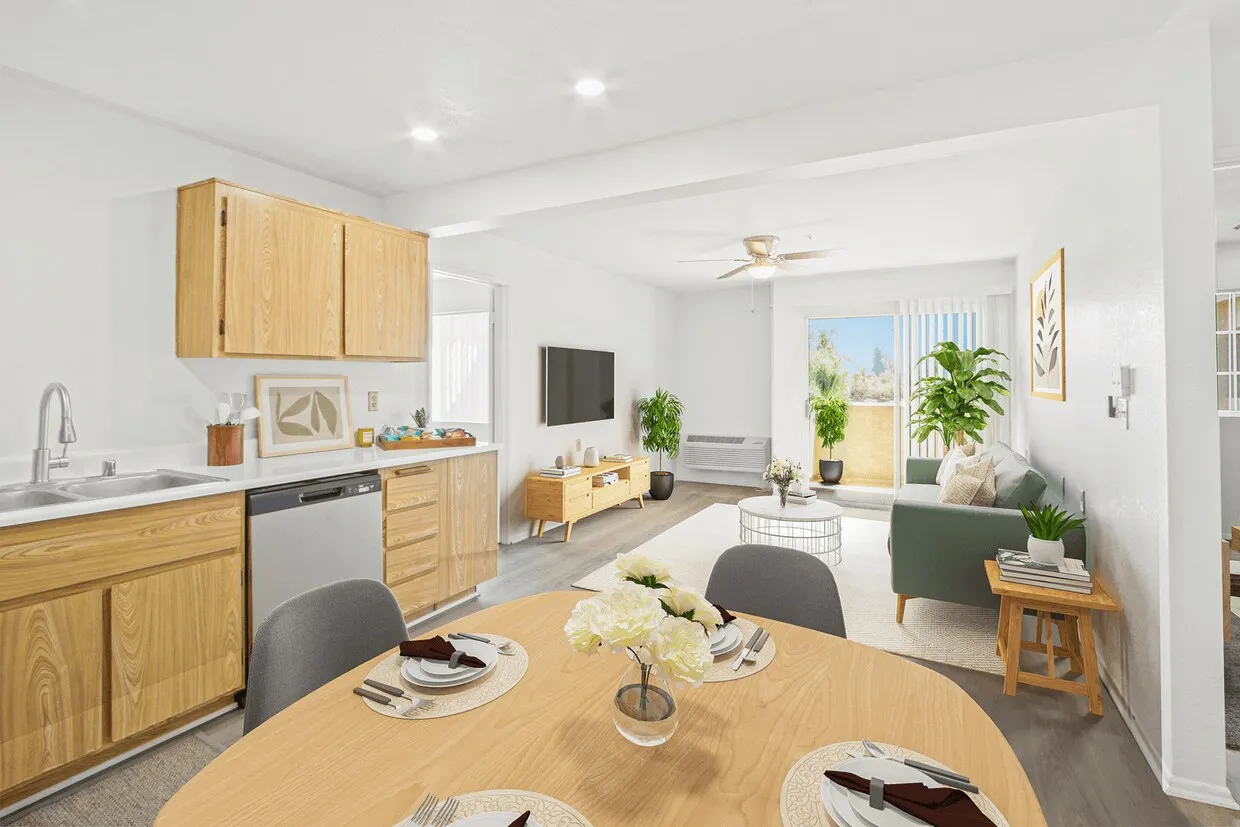
Independent living is designed for active seniors who do not require assistance with daily tasks but wish to downsize and eliminate the burdens of home maintenance. These communities often feature private apartments, communal dining, social calendars, and transportation services. In 2026, the median monthly cost for independent living in the US is approximately $3,065.
 Assisted Living
Assisted living is intended for individuals who need help with "Activities of Daily Living" (ADLs), such as bathing, dressing, or medication management. These facilities provide a balance of independence and 24-hour support. As of early 2026, the national median cost for assisted living has risen to approximately $6,129 per month, reflecting increased labor costs in the healthcare sector.
Memory Care
Memory care is a specialized form of long-term care tailored specifically for those with Alzheimer’s, dementia, or other cognitive impairments. These wings or facilities feature enhanced security to prevent wandering and specialized therapeutic programming. Due to higher staffing ratios, memory care is one of the most expensive options, with a national median cost of roughly $7,785 per month.
Regional Cost Variations and Market Trends
Geography is one of the most significant factors influencing senior housing prices in the United States. Costs vary drastically between states and even between urban and rural areas.
Most and Least Expensive Regions
The Northeast and West Coast remain the most expensive regions for senior living. For example, assisted living in states like Massachusetts and California can exceed $7,500 to $9,000 per month. Conversely, Southern and Midwestern states like Mississippi, Alabama, and Missouri offer more budget-friendly options, with median costs often staying below $5,000 per month.
The Impact of Supply and Demand in 2026
In 2026, occupancy rates across the US have approached 90%, the highest in two decades. Because new construction has struggled to keep pace with the aging population, many premium facilities now have waiting lists. This supply-demand imbalance has led to an average annual rent increase of 4% to 6%, making early planning and tours essential for securing a spot in preferred communities.
Financial Planning and Assistance Options
Navigating the costs of senior living requires a clear understanding of what insurance will—and will not—cover.
Private Pay and Long-Term Care Insurance
The vast majority of independent and assisted living costs are paid "out-of-pocket" using personal savings, pensions, or proceeds from a home sale. Long-term care insurance is a common tool used by many families to offset the monthly fees of assisted living and memory care, provided the policy was purchased before the need for care arose.
Medicare and Medicaid Limitations
A common misconception is that Medicare covers the cost of senior apartments. Medicare generally only pays for short-term "skilled nursing" or rehabilitation after a hospital stay. For low-income seniors, Medicaid may cover a portion of assisted living or nursing home costs, though eligibility requirements are strict and vary by state. Many facilities also offer "Bridge Loans" to help families cover costs while waiting for a home to sell or for veterans' benefits (VA Aid and Attendance) to be approved.
Professional Advice for Selecting a Facility
When evaluating potential senior apartments, it is important to look beyond the aesthetic appeal of the lobby and focus on the quality of care and transparency of the contract.
Prospective residents should always request a "Level of Care" assessment before signing a lease. This assessment determines the exact monthly fee based on the resident's specific health needs. Additionally, ask about the "Base Rate" versus "A la Carte" fees. Some facilities charge a flat fee that includes everything, while others may bill extra for laundry, medication delivery, or tray service to the room. It is also wise to visit a community during a mealtime or a social event to gauge the engagement level of current residents and the responsiveness of the staff.
Conclusion
The senior living landscape in the United States in 2026 offers more choices than ever, but it also requires more sophisticated financial navigation. From the affordability of independent living in the Midwest to the specialized medical support of coastal memory care centers, there is a solution for every need and budget. By understanding the regional price points and the specific levels of care available, families can make informed decisions that ensure safety, comfort, and financial stability during the golden years.


