
'%20fill='%23fff'/%3e%3c/clipPath%3e%3c/defs%3e%3cg%20id='logo_s'%20transform='translate(3331%2011131)'%20clip-path='url(%23clip-path)'%3e%3ccircle%20id='椭圆_3510'%20data-name='椭圆%203510'%20cx='15'%20cy='15'%20r='15'%20transform='translate(-3330%20-11130)'%20fill='%23ffffff'%20opacity='0'/%3e%3cpath%20id='联合_790'%20data-name='联合%20790'%20d='M17,22.938H3.615a3.694,3.694,0,0,1-2.759-.895A3.625,3.625,0,0,1,0,19.454V3.489C.031,1.194,1.2.087,3.689.005H13.43L13.492,0V3.98a3,3,0,0,0,3,3h4.193V19.454c-.025,1.589-.662,3.485-3.554,3.485ZM5.8,16.588a.88.88,0,0,0,.879.879H14.1a.879.879,0,0,0,0-1.759H6.681A.88.88,0,0,0,5.8,16.588Zm0-3.836a.88.88,0,0,0,.879.879H14.1a.88.88,0,0,0,0-1.759H6.681A.881.881,0,0,0,5.8,12.752Zm0-3.837a.88.88,0,0,0,.879.879h4.783a.879.879,0,1,0,0-1.759H6.681A.88.88,0,0,0,5.8,8.915ZM17.031,5.5a2,2,0,0,1-2-2V.365a1.9,1.9,0,0,1,.3.235c.564.547,2.329,2.146,3.5,3.2l.068.061.886.8a2.8,2.8,0,0,1,.636.834Z'%20transform='translate(-3325.342%20-11126.47)'%20fill='%23ffffff'/%3e%3c/g%3e%3c/svg%3e)


 Major Rental Markets in the Kingdom
Rental trends in Saudi Arabia are largely dictated by the economic activity of its primary urban centers. Each city offers a distinct living experience and price point.
Riyadh: The Economic Hub
As the capital city, Riyadh is the most competitive rental market. The city is divided into several high-demand districts such as Al Olaya and Al Malqa. Due to the influx of international companies and government headquarters, rental prices in North Riyadh have seen steady growth. Residents here typically look for luxury apartments or villas within secure compounds.
Jeddah: The Coastal Gateway
Jeddah offers a more relaxed lifestyle compared to the capital. The rental market is concentrated along the Corniche and in northern districts like Al Basateen. Jeddah remains a popular choice for those who value proximity to the Red Sea and a diverse culinary scene.
Eastern Province: Dammam and Al Khobar
These cities serve the oil and gas industry and are popular with expatriates working for major energy firms. Al Khobar, in particular, is known for its high-end residential compounds and proximity to Bahrain, making it a preferred location for international families.
Types of Rental Accommodations
Saudi Arabia offers various housing styles to suit different budgets and lifestyle preferences.
Residential Compounds
Compounds are gated communities specifically designed for expatriates. They offer a westernized lifestyle with shared amenities such as swimming pools, gyms, private grocery stores, and organized social events. While they are the most expensive option, they provide high levels of security and a ready-made social network.
Standard Apartments
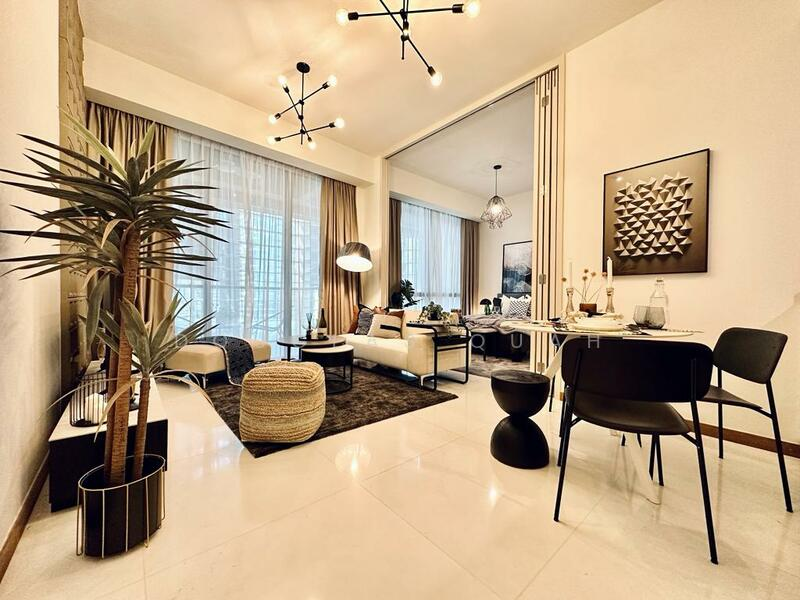
Standalone apartments are the most common rental option. Modern buildings in newer districts often feature underground parking, central air conditioning, and 24-hour security. These are significantly more affordable than compound living and are available in sizes ranging from studios to large four-bedroom units.
 Villas and Floor Units
Villas provide the maximum amount of space and privacy, often including a private courtyard. A popular middle-ground option is the “villa floor,” where a large house is divided into separate, private rental units, offering more space than an apartment at a lower price than a full villa.
Rental Costs and Financial Considerations
Understanding the full financial commitment of a lease is crucial before signing a contract.
Average Monthly Rent Estimates
In 2026, a one-bedroom apartment in a prime Riyadh district averages between SAR 4,000 and SAR 6,000 per month. In contrast, a three-bedroom villa in a premium compound can range from SAR 150,000 to SAR 250,000 annually. Prices in Jeddah and the Eastern Province are generally 10% to 15% lower than those in Riyadh.
Payment Terms and Security Deposits
Traditionally, rent in Saudi Arabia was paid annually or semi-annually. However, the market is shifting toward quarterly and even monthly payments to accommodate modern financial planning. A security deposit, usually equivalent to one month’s rent, is standard and is refundable upon the satisfactory return of the property.
Utility and Service Fees
Standard apartment rentals usually exclude utilities like water and electricity. In compounds, these costs are often bundled into the annual rent. Tenants should also account for the Ejar registration fee, which is a mandatory government processing fee for the electronic lease contract.
The Ejar System and Legal Protections
Saudi Arabia has implemented the Ejar system to regulate the relationship between landlords and tenants. This electronic platform is the only legal way to register a residential lease.
Mandatory Registration
All rental agreements must be registered through a licensed real estate broker on the Ejar portal. This digital contract protects the rights of both parties and serves as a legal document for residency (Iqama) renewals and opening bank accounts.
Dispute Resolution
The Ejar system provides a standardized framework for resolving disagreements regarding maintenance, rent increases, or deposit returns. Having a registered contract ensures that tenants have access to government legal support if a dispute arises.
Conclusion
Navigating the rental market in Saudi Arabia requires a balance of local knowledge and financial readiness. By focusing on the right district for your lifestyle and ensuring all agreements are processed through the official Ejar system, you can secure a high-quality home that meets your needs. Whether you choose the community-oriented environment of a compound or the independence of a city apartment, the Kingdom’s growing real estate sector offers diverse opportunities for a comfortable living experience.


