
'%20fill='%23fff'/%3e%3c/clipPath%3e%3c/defs%3e%3cg%20id='logo_s'%20transform='translate(3331%2011131)'%20clip-path='url(%23clip-path)'%3e%3ccircle%20id='椭圆_3510'%20data-name='椭圆%203510'%20cx='15'%20cy='15'%20r='15'%20transform='translate(-3330%20-11130)'%20fill='%23ffffff'%20opacity='0'/%3e%3cpath%20id='联合_790'%20data-name='联合%20790'%20d='M17,22.938H3.615a3.694,3.694,0,0,1-2.759-.895A3.625,3.625,0,0,1,0,19.454V3.489C.031,1.194,1.2.087,3.689.005H13.43L13.492,0V3.98a3,3,0,0,0,3,3h4.193V19.454c-.025,1.589-.662,3.485-3.554,3.485ZM5.8,16.588a.88.88,0,0,0,.879.879H14.1a.879.879,0,0,0,0-1.759H6.681A.88.88,0,0,0,5.8,16.588Zm0-3.836a.88.88,0,0,0,.879.879H14.1a.88.88,0,0,0,0-1.759H6.681A.881.881,0,0,0,5.8,12.752Zm0-3.837a.88.88,0,0,0,.879.879h4.783a.879.879,0,1,0,0-1.759H6.681A.88.88,0,0,0,5.8,8.915ZM17.031,5.5a2,2,0,0,1-2-2V.365a1.9,1.9,0,0,1,.3.235c.564.547,2.329,2.146,3.5,3.2l.068.061.886.8a2.8,2.8,0,0,1,.636.834Z'%20transform='translate(-3325.342%20-11126.47)'%20fill='%23ffffff'/%3e%3c/g%3e%3c/svg%3e)


 Understanding the Landscape of Dental Implant Costs in Canada
The cost of dental implants in Canada is not fixed and varies based on the province, the clinic's overhead, and the complexity of the specific case. In 2026, patients are finding more competitive options as technology streamlines the surgical process.
Average Pricing for Single Implants
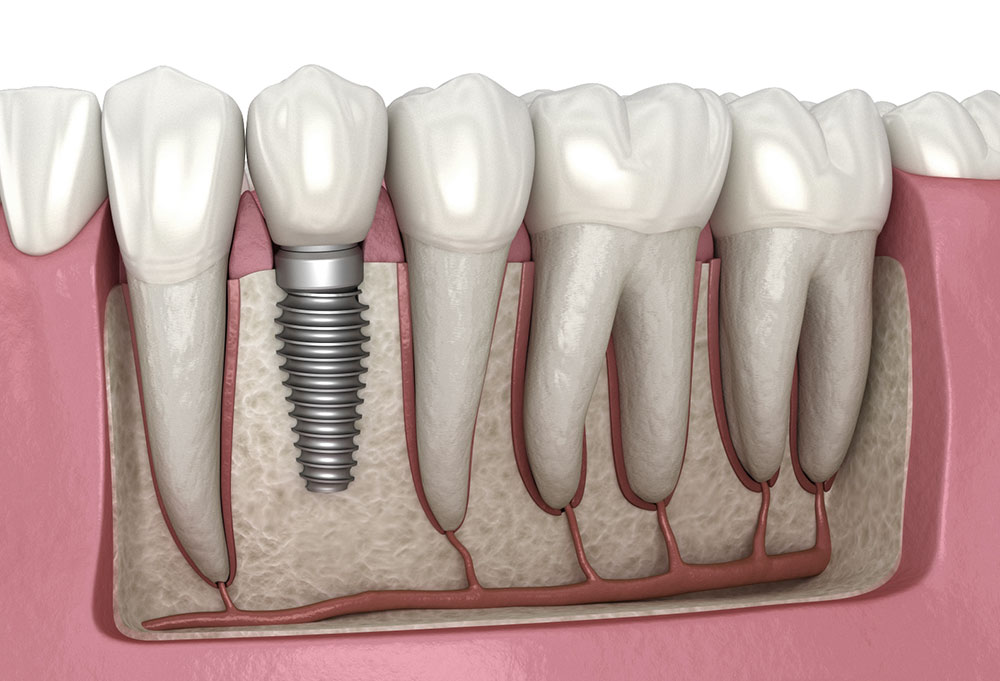
A standard single dental implant, which includes the titanium post, the abutment, and the final porcelain crown, typically ranges from $2,500 to $5,000 CAD. Patients in major metropolitan hubs like Toronto or Vancouver often face prices at the higher end of this scale due to increased operational costs for clinics.
Full-Arch Restoration Expectations
For those requiring more extensive work, such as “All-on-4” or full-bridge restorations, costs generally begin at $15,000 and can reach $30,000 per arch. While the upfront cost is high, these solutions provide a permanent alternative to traditional dentures, offering better stability and bone preservation.
Regional Cost Variations Across Provinces
Geography plays a significant role in dental pricing. Due to varying provincial dental fee guides and local competition, some regions offer more budget-friendly opportunities.
Affordable Markets
Provinces like Quebec and parts of the Maritimes often have slightly lower average fees for specialist services compared to Ontario or British Columbia. Additionally, seeking treatment in satellite cities just outside of major urban cores—such as London, Ontario, instead of Toronto—can often result in savings of 15% to 20% on the same procedure.
The Impact of Provincial Fee Guides
Each province has a dental association that publishes an annual fee guide. While these are suggested rates and dentists can charge more or less, clinics in competitive suburban areas often stay close to or slightly below these benchmarks to attract new patients.
Strategies for Reducing Out-of-Pocket Expenses
Finding low-cost dental care in Canada requires a proactive approach to financial planning and exploring non-traditional clinic settings.
Dental Schools and Teaching Hospitals
One of the most effective ways to access high-quality implants at a fraction of the market price is through university dental programs. Institutions such as the University of Toronto, McGill, or the University of British Columbia operate clinics where supervised students or residents perform procedures. While the process may take longer, the cost is significantly reduced.
Private Insurance and Health Spending Accounts
Most standard Canadian employer-sponsored insurance plans categorize implants as major restorative care, often covering 50% of the cost up to an annual maximum. Furthermore, business owners or employees with a Health Spending Account (HSA) can use pre-tax dollars to pay for the remaining balance, providing a substantial indirect saving.
Flexible Financing and Payment Plans
Many Canadian dental offices now partner with third-party lenders to offer monthly payment plans. Some clinics provide zero percent interest financing for 12 months, making the high cost of an implant more manageable by spreading it into smaller, predictable payments.
 Key Considerations for Choosing a Low-Cost Provider
When searching for affordable options, it is vital to ensure that the quality of materials and the skill of the surgeon remain high.
Evaluating Implant Quality
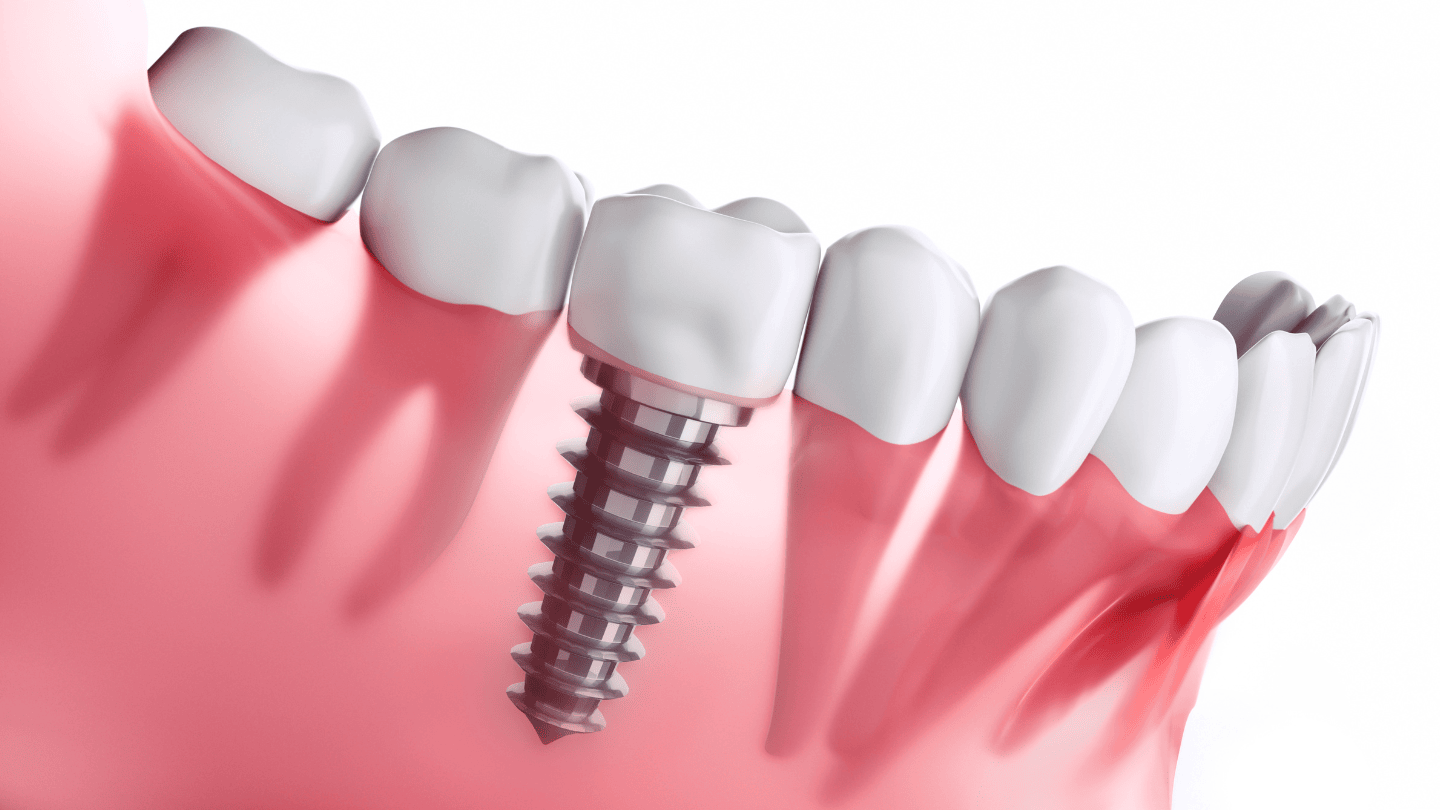
Not all implant systems are equal. Patients should confirm that the clinic uses implants that are approved by Health Canada. Using generic or off-brand systems might save money initially, but finding replacement parts or specialized tools for those systems in the future can be difficult if the manufacturer goes out of business.
Professional Evaluation Advice
Before committing to a procedure, it is highly recommended to obtain a comprehensive written quote that includes a breakdown of all fees. A transparent clinic should clearly state the cost of the initial consultation, the 3D imaging (CT scan), the surgical placement, and the final restoration. Avoid clinics that are vague about hidden fees such as anesthesia or follow-up appointments, as these can quickly inflate a low initial estimate.
Conclusion
Seccuring affordable dental implants in Canada is achievable through diligent research and by considering alternatives to high-end private practices in downtown areas. By leveraging dental school clinics, utilizing provincial fee guides to compare prices, and taking advantage of tax-advantaged accounts or financing, Canadians can access life-changing dental restorations. The key is to prioritize long-term value, ensuring that the selected provider offers the right balance of technical expertise and fair pricing to ensure a healthy, permanent smile.


