
'%20fill='%23fff'/%3e%3c/clipPath%3e%3c/defs%3e%3cg%20id='logo_s'%20transform='translate(3331%2011131)'%20clip-path='url(%23clip-path)'%3e%3ccircle%20id='椭圆_3510'%20data-name='椭圆%203510'%20cx='15'%20cy='15'%20r='15'%20transform='translate(-3330%20-11130)'%20fill='%23ffffff'%20opacity='0'/%3e%3cpath%20id='联合_790'%20data-name='联合%20790'%20d='M17,22.938H3.615a3.694,3.694,0,0,1-2.759-.895A3.625,3.625,0,0,1,0,19.454V3.489C.031,1.194,1.2.087,3.689.005H13.43L13.492,0V3.98a3,3,0,0,0,3,3h4.193V19.454c-.025,1.589-.662,3.485-3.554,3.485ZM5.8,16.588a.88.88,0,0,0,.879.879H14.1a.879.879,0,0,0,0-1.759H6.681A.88.88,0,0,0,5.8,16.588Zm0-3.836a.88.88,0,0,0,.879.879H14.1a.88.88,0,0,0,0-1.759H6.681A.881.881,0,0,0,5.8,12.752Zm0-3.837a.88.88,0,0,0,.879.879h4.783a.879.879,0,1,0,0-1.759H6.681A.88.88,0,0,0,5.8,8.915ZM17.031,5.5a2,2,0,0,1-2-2V.365a1.9,1.9,0,0,1,.3.235c.564.547,2.329,2.146,3.5,3.2l.068.061.886.8a2.8,2.8,0,0,1,.636.834Z'%20transform='translate(-3325.342%20-11126.47)'%20fill='%23ffffff'/%3e%3c/g%3e%3c/svg%3e)


The History of Hotels
Hotels have been around for centuries, with the first records of them dating back to ancient civilizations such as Greece and Rome. However, they were not the comfortable and convenient accommodations we know today. In the Middle Ages, travelers relied on monasteries and inns for shelter and food. It wasn't until the 1700s that the word "hotel" was first used to describe a commercial establishment that provided lodging and meals for a fee.
The Purpose of Hotels
The main purpose of a hotel is to provide a temporary home for travelers. They offer a safe and comfortable place to rest, along with various amenities and services to make the stay more enjoyable. These can range from basic necessities such as a bed and bathroom, to more luxurious features like spas, pools, and gourmet restaurants. Hotels also serve as a base for exploring the surrounding area and offer convenience for business travelers.
Types of Hotels
There are numerous types of hotels, each catering to different needs and budgets. Some of the most common types include:
- Resorts: These are hotels located in scenic areas and offer extensive amenities and activities.
- Boutique hotels: These are smaller, more unique hotels with a specific theme or aesthetic.
- Business hotels: These cater to business travelers and offer amenities such as meeting rooms and business centers.
- Budget hotels: These offer affordable accommodations and are a popular choice for backpackers and budget-conscious travelers.
- Bed and breakfasts: These are smaller establishments that offer accommodations and breakfast in a more intimate setting.
Choosing the Right Hotel
With so many options available, it can be overwhelming to choose the right hotel for your trip. Here are some factors to consider when making your decision:
- Location: If you are traveling for a specific purpose, make sure the hotel is conveniently located for your activities.
- Budget: Set a budget and stick to it. Keep in mind that the price of a hotel can vary depending on location and season.
- Amenities: Decide on the amenities that are important to you, such as a pool, gym, or restaurant.
- Reviews: Read reviews from previous guests to get an idea of the quality of service and cleanliness of the hotel.
- Accessibility: If you have any specific needs, such as wheelchair accessibility, make sure to check with the hotel beforehand.
What to Expect when Staying at a Hotel
Now that you have chosen the perfect hotel for your trip, here are some things you can expect during your stay:
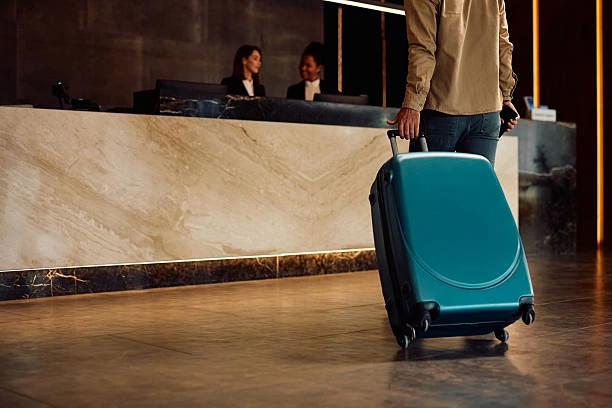
- Check-in and check-out: This is the process of arriving at the hotel and leaving. Check-in times can vary, so it's best to confirm with the hotel beforehand.
- Room types: Most hotels offer different types of rooms, such as standard, deluxe, or suites. Make sure to book the type that suits your needs.
- Hotel services: These can include housekeeping, concierge services, room service, and laundry facilities.
- Hotel policies: Be aware of the hotel's policies regarding cancellation, smoking, and noise levels.
- Additional charges: Some hotels may charge extra for services or amenities such as Wi-Fi, parking, or breakfast.
Conclusion
Hotels play a significant role in the travel experience and offer a comfortable and convenient place to stay while exploring new destinations. With a variety of options available, it's essential to do your research and choose the right hotel for your needs. Remember to make the most out of your stay by taking advantage of the amenities and services offered by the hotel. We hope this article has provided you with valuable information about the world of hotels. Happy travels!


